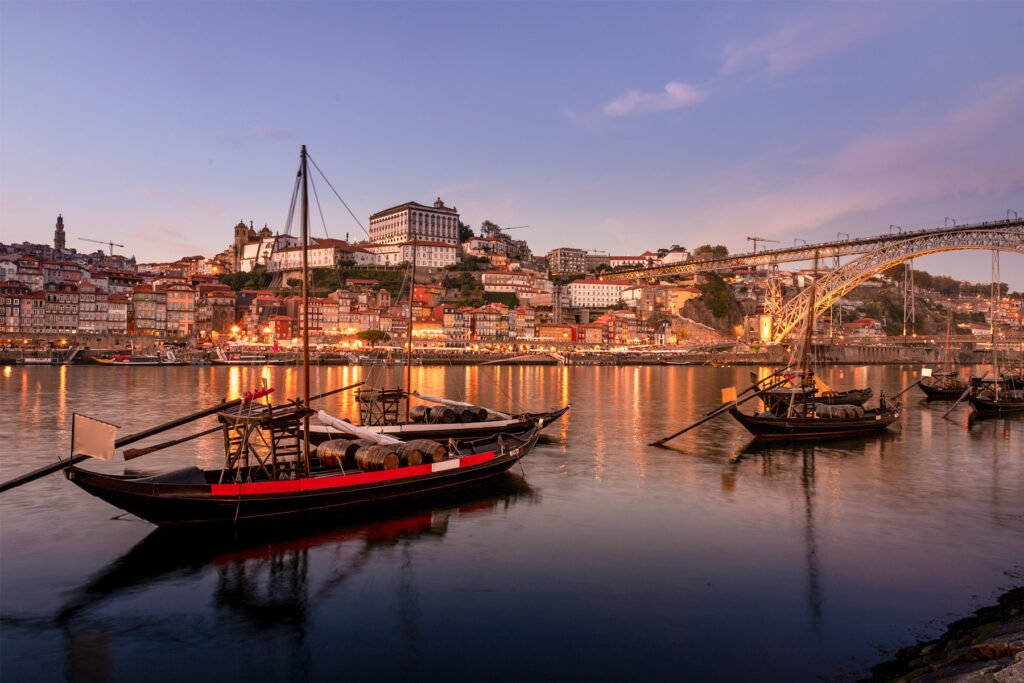
Discover Porto with: what to do Porto 2026 guide
If you are planning a trip to Northern Portugal, figuring out What to Do Porto 2026 Guide is the ultimate starting point for an unforgettable journey. Don’t treat it as “just a city break.” The real experience lives in the Porto region: a compact area where you can combine historic riverside charm, world-class Porto gastronomy, Atlantic coast lifestyle, and iconic wine landscapes like the Douro Valley in a single itinerary.
Whether your priority is discovering the best places to visit in Porto, taking advantage of regional tours, or analyzing opportunities to invest & buy houses in Porto, this region offers a perfect balance. For travelers, it delivers walkability and culture; for investors, Porto remains a resilient market supported by strong long-term fundamentals.
Porto is often described as the North’s most complete triangle: Porto + Vila Nova de Gaia + the Douro, anchored by the Douro River meeting the Atlantic. For travelers, it’s the perfect balance between culture and scenery. For digital nomads, it offers walkability, strong infrastructure, and a slower pace. And for investors, Porto remains a resilient market, supported by international demand, strong fundamentals, and long-term lifestyle appeal.
So, what to do in Porto 2026? Start with the essentials below—and then choose your route based on your travel style (city, wine country, coast, or a mix of all three).

Don’t Get Stuck in Traffic — Ride the Metro do Porto!
Skip the expensive taxis and the narrow-street traffic jams. The Metro do Porto is the fastest and most sustainable way to get around. It features 6 modern surface and underground lines connecting everything from the Airport to the historic center (São Bento). Official info: metrodoporto.pt
Quick picks: What to do Porto 2026
- Spend 2–3 days in Porto for river views, historic streets, and the city’s cultural icons.
- Cross to Vila Nova de Gaia for a curated Port Wine tasting with Douro panoramas.
- Reserve 1 full day for the Douro Valley (train + winery, or curated tour).
- Add a sunset moment at Foz do Douro, where the river meets the Atlantic.
- For a “Porto moment”: walk from Cais da Ribeira → Ponte Dom Luís I → Cais de Gaia, then a slow dinner by the water.
What to do Porto 2026 (Porto Attractions)
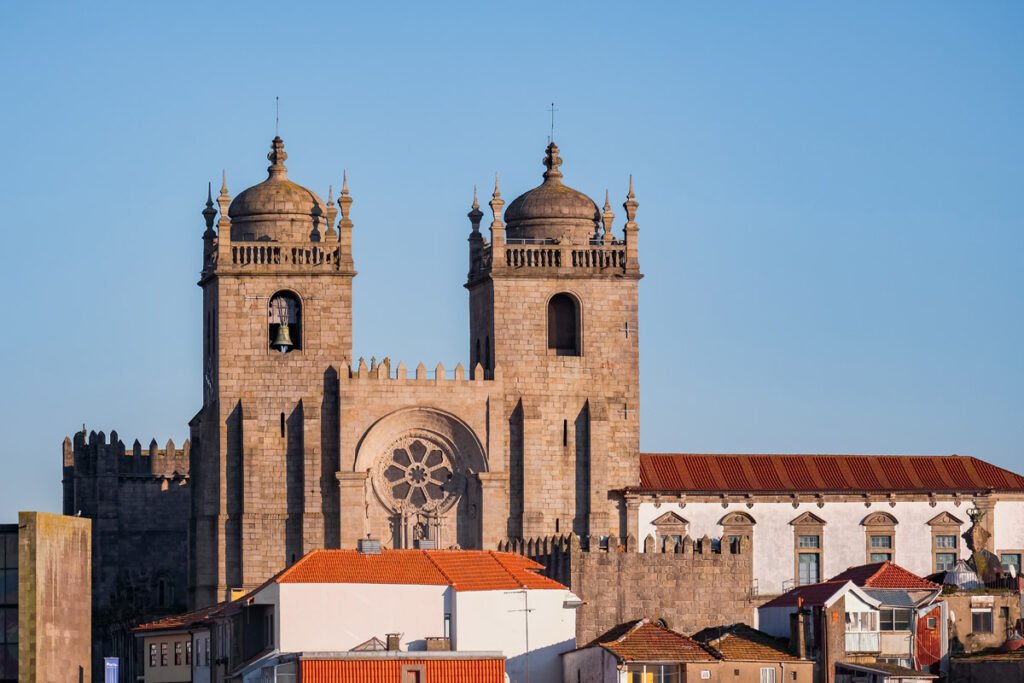
Porto is Portugal’s most cinematic northern city: layered rooftops, azulejos, steep streets, and river light that feels different from the south—cooler, moodier, and deeply memorable. It’s also the best base for exploring the district.
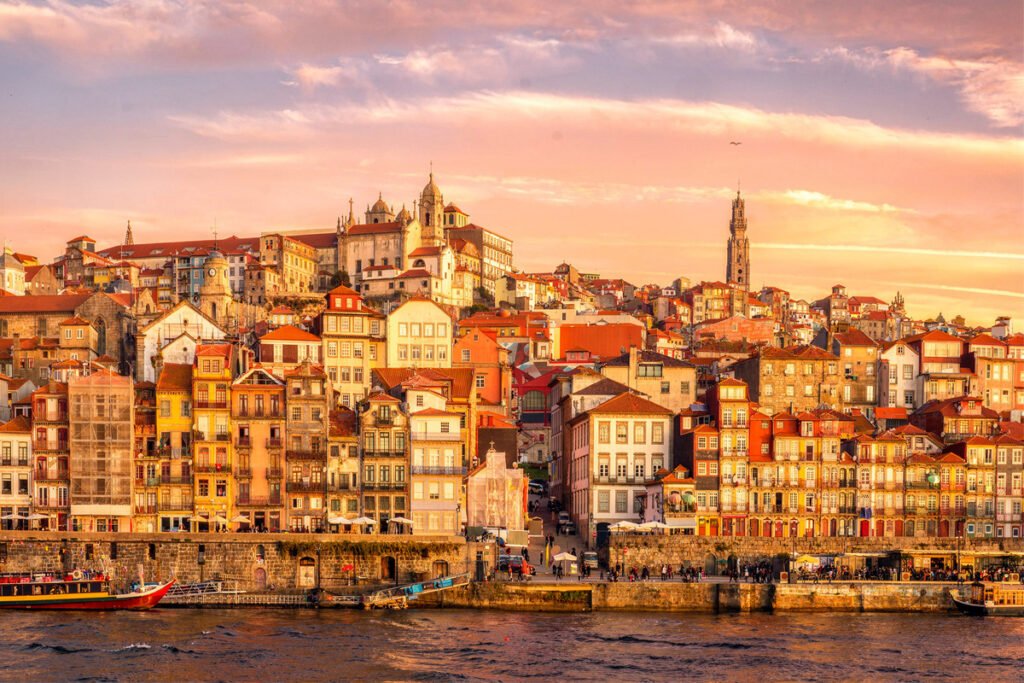
Ribeira, Bridges & Porto’s River Identity
Ribeira is non-negotiable. It’s the fastest way to feel Porto’s personality: river movement, old façades, and iconic perspectives that change every few steps.
- Cais da Ribeira: The classic postcard quarter—best early or at golden hour.
- Ponte Dom Luís I: Cross on foot for one of the best city panoramas in Portugal.
- Cais de Gaia: The “front row seat” to Porto’s skyline from the other side.
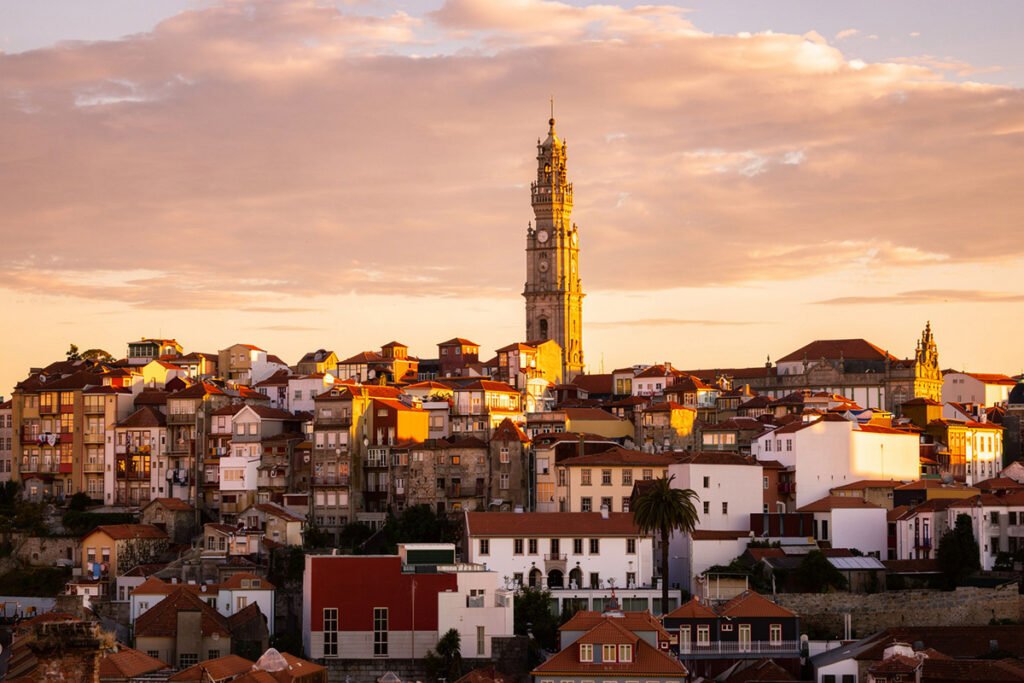
São Bento, Clérigos & Porto’s Historic Core
Porto rewards slow walking. The city’s “must-sees” are close enough to connect in a curated loop.
- Estação de São Bento: One of Portugal’s most iconic azulejo interiors.
- Torre dos Clérigos: A classic viewpoint and a landmark that anchors central routes.
- Street textures: Porto’s magic is often in details—tiles, staircases, small viewpoints, and quiet corners.
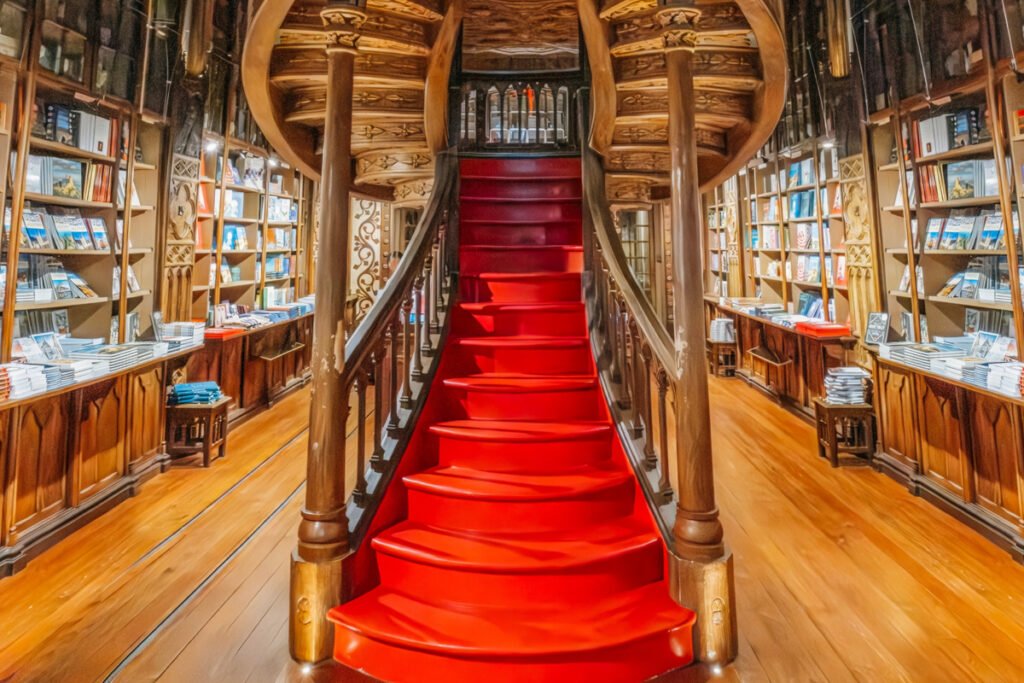
Livraria Lello (A curated visit)
A legendary bookstore with a dramatic neo-gothic interior and its famous staircase. It’s strongly associated with J.K. Rowling’s time in Porto and the “Harry Potter inspiration” story — so it’s a top pilgrimage spot.
WTDP Tip: Explore Porto’s historic center on foot. The city is incredibly scenic, and even the “in-between” streets are part of the experience: azulejos, viewpoints, stairways, and river perspectives at every turn.
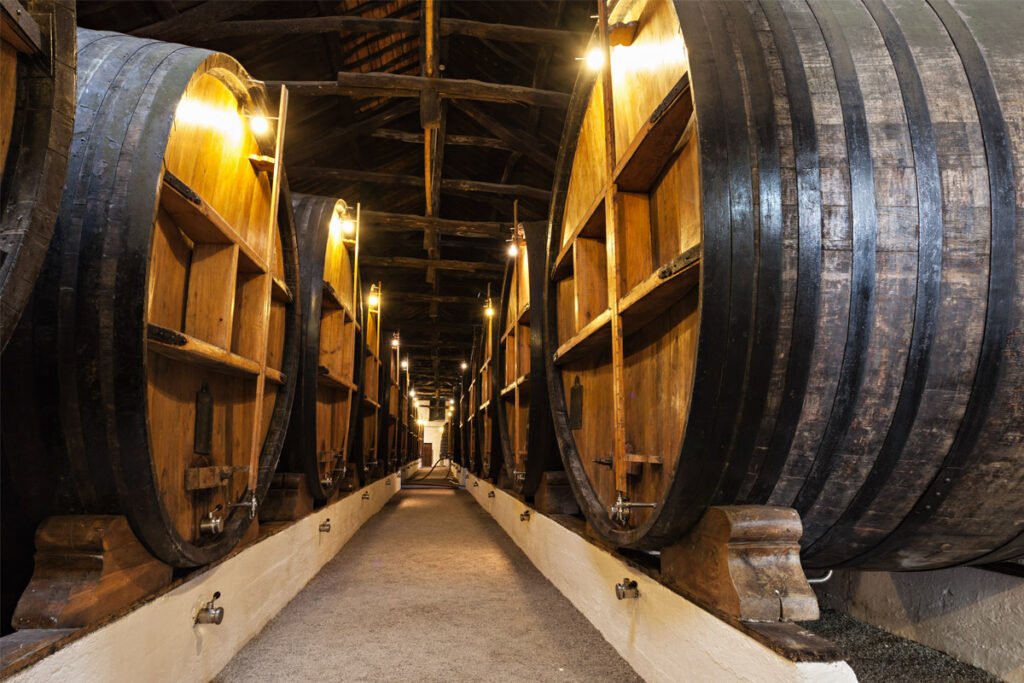
Vila Nova de Gaia: Port Wine & Panoramic River Views
You can’t talk about Porto District without Gaia. This is where the wine identity becomes tangible: cellar tastings, curated pairings, and that iconic view back to Porto.
- Choose one high-quality tasting instead of hopping randomly.
- Prefer a tasting that explains styles (Ruby, Tawny, Vintage) so it feels like learning—not just drinking.
WTDP Tip: A single curated tasting beats three rushed stops. Quality over quantity always wins here.
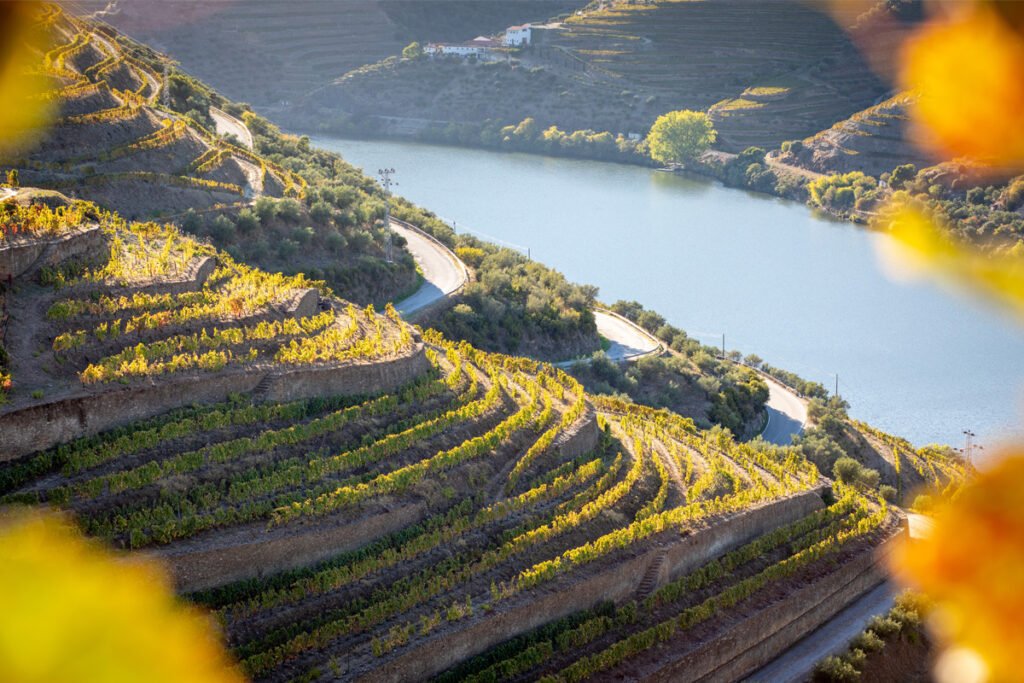
Douro Valley: Most Iconic Wine Landscape
The Douro is not “a day trip.” It’s a destination that changes how Portugal feels—terraced vineyards, river bends, and landscapes that look unreal in real life.
How to do the Douro (without rushing)
- Casal de Loivos Viewpoint: To truly grasp the scale of this UNESCO World Heritage site, you must head to the Casal de Loivos Viewpoint. From this height, the Douro River performs a perfect S-curve, looking like a majestic blue cobra winding through infinite mountains.
- Scenic train option (Linha do Douro): One of the most beautiful train routes in Europe.
- Curated winery lunch + tasting: For the full “slow luxury” experience.
- Viewpoints + river moments: The Douro is about perspective—plan time for stops.
WTDP Tip: Avoid doing “too much.” The Douro is best when you slow down: one winery + one scenic route + time to breathe.
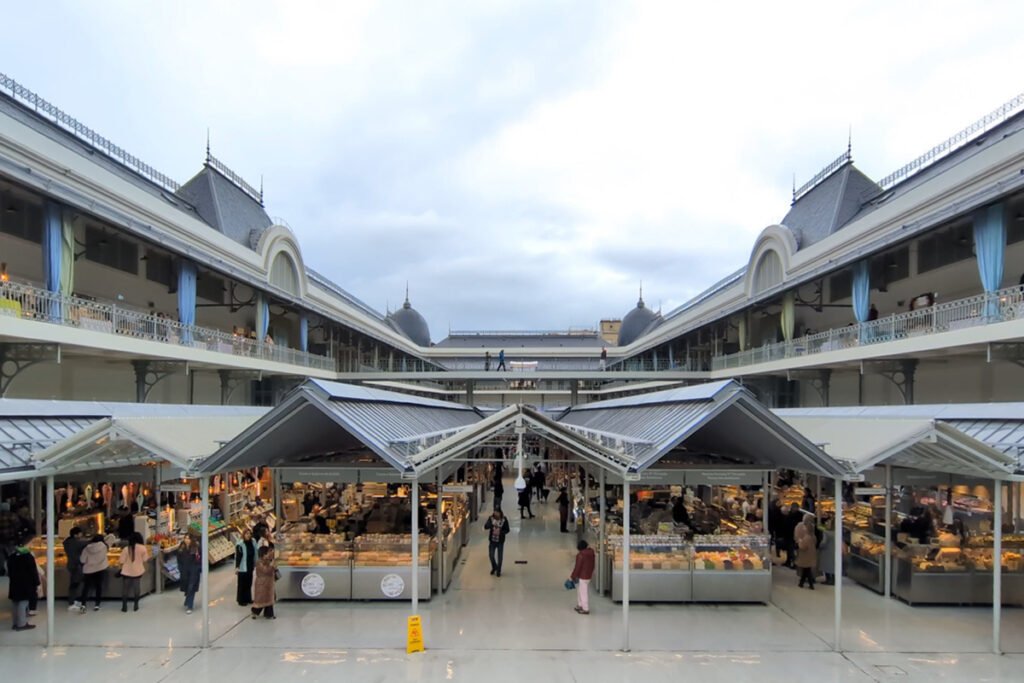
Shopping & Local Culture: Rua de Santa Catarina & Bolhão
Beyond the monuments, Porto’s energy is best felt where the locals shop and eat. This area combines traditional commerce with historic architecture.
- Rua de Santa Catarina: Porto’s main pedestrian shopping street. It is home to the famous Capela das Almas (with its 15,000 tiles) and the historic Café Majestic. Walking here is essential to feel the city’s pulse.
- Mercado do Bolhão: The soul of Porto’s food scene. After a massive renovation, this historic market is the best place to taste local cheeses, wines, and fresh oysters, or simply to admire the traditional vendors.
Best Places to visit in porto
- Porto Cathedral (Sé do Porto): A powerful medieval landmark with dramatic viewpoints and historic atmosphere — essential for the city’s “old soul” chapter.
- Palácio da Bolsa: A grand 19th-century building tied to Porto’s commercial history — best experienced via guided visit, especially for the Arab Room (the big wow moment).
- Igreja de São Francisco: One of Porto’s most impressive church interiors — ornate gilded detail and dramatic contrast with the exterior.
- Capela das Almas: A must-see azulejo façade right on Rua de Santa Catarina — Quick, iconic, and extremely photogenic.
- Jardins do Palácio de Cristal: Porto’s best slow moment — gardens, viewpoints, and Douro scenery; perfect for a calm break.
- Mercado do Bolhão: Classic Porto market culture — great for a quick local food stop and authentic atmosphere.
Porto Gastronomy & Cocktail Culture
Porto is not just beautiful—it’s bold, comforting, and deeply culinary. Food here is identity, and the best nights happen at the table.
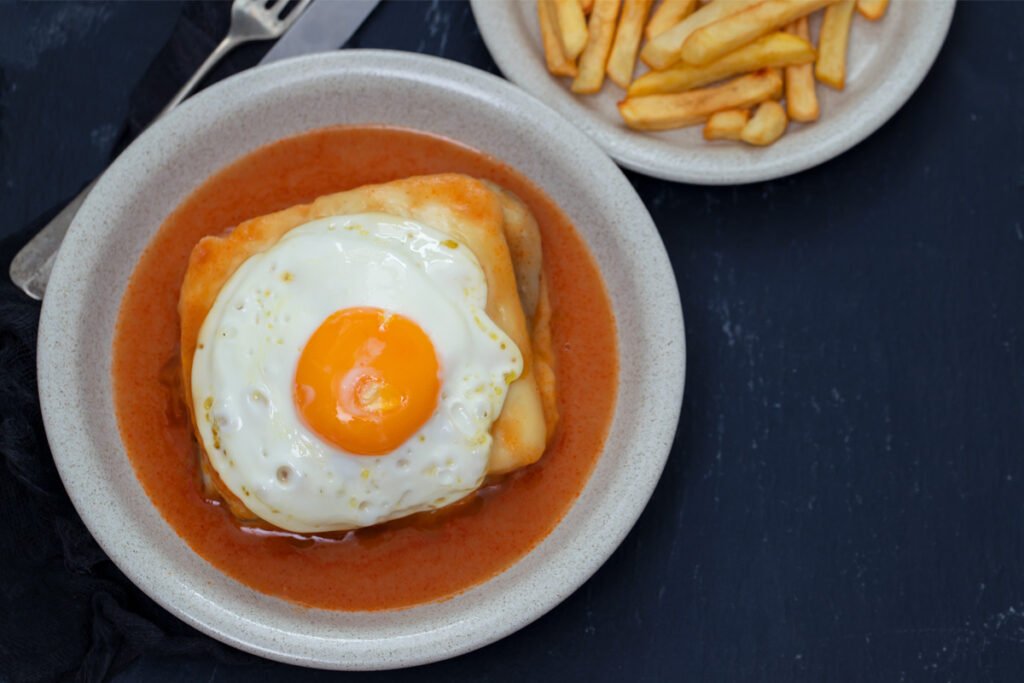
What to Eat in Porto (The local way)
The region’s culinary identity is tied to the Atlantic:
- Francesinha: Porto’s most iconic dish—rich, intense, and worth doing once (choose a good spot).
- Bifanas à moda do Porto: The ultimate local street food — Thinly sliced pork marinated in a spicy, garlicky sauce served in a traditional carcaça roll. It’s a simple, fast, and unpretentious local snack.
- Tripas à moda do Porto: A historic local classic (for those who want the “real Porto” experience).
- Seafood culture near the coast: Especially for long lunches with Atlantic air.
- Pastries + espresso ritual: Porto’s café culture is simple but essential.
Porto Rooftops, Bars & Coastal Evenings
Choose your vibe:
- Porto evenings feel calmer than Lisbon — but still stylish.
- Rooftops with river views (choose atmosphere over hype).
- Wine bars and curated tastings that feel editorial, not touristy.
WTDP Tip: Skip places with aggressive tourist menus near the busiest riverfront strip—walk 5–10 minutes into side streets, choose a shorter menu, and quality usually jumps.
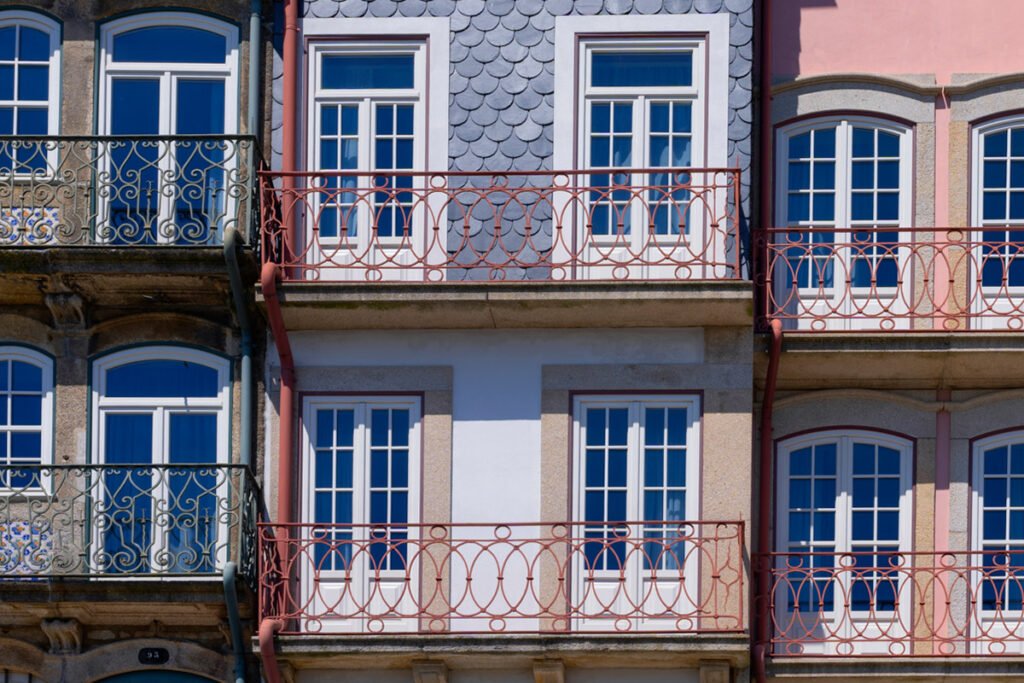
Invest and buy houses in Porto:
While Lisbon is the grand capital, Porto is the investor’s best-kept secret. In recent years, the city has transformed from a historic industrial hub into a global magnet for luxury tourism and tech entrepreneurship. For those looking to secure an asset in Europe, Porto offers a unique combination: lower entry costs than other major capitals and a booming demand for high-end rentals.
why buy a house in Porto?
- The Power of Rehabilitation: One of Porto’s most lucrative opportunities lies in its historic ruins. The city center is a UNESCO World Heritage site where buying properties in need of renovation is a major trend. Investing in a “ruina” to remodel allows investors to create high-value “fabulous homes” while benefiting from tax incentives for urban rehabilitation (ARU zones), which often include reduced VAT for construction and exemptions on property taxes (IMI and IMT).
- A Booming Short-Term Rental (AL) Market: Porto remains one of the most profitable cities for Alojamento Local (AL). With its world-famous wine tradition and constant flow of international tourists, high-quality apartments in districts like Ribeira, Cedofeita, and Bonfim enjoy exceptional occupancy rates year-round.
- Competitive Pricing & High Appreciation: Even with its rapid growth, Porto’s price per square meter remains significantly more accessible than Lisbon or Paris. This price gap provides a wider margin for capital appreciation, making it a primary target for those seeking long-term wealth growth.
- Residency & Visa Solutions: Portugal continues to be a top destination for those seeking a European foothold. While residential direct purchase routes have evolved, Porto’s market is perfectly positioned for investment via Venture Capital Funds (FCRs). This path offers a secure way to obtain residency (and eventually a European passport) while investing in large-scale urban development projects in the North of Portugal.
- The Tech & Education Hub: Home to one of the best universities in Europe and a growing scene of tech “unicorns,” Porto ensures a steady demand for mid-to-long-term rentals from high-income expats and international students.
A simple Itinerary: What to do Porto in 4–5 days:
Day 1–2: Porto
- Ribeira + Ponte Dom Luís I (Douro River)
- São Bento + Clérigos + historic walking routes
- Livraria Lello (timed entry)
Day 3: Vila Nova de Gaia
- Curated Port Wine tasting
- Riverfront walk + sunset views back to Porto
Day 4: Douro Valley
- Linha do Douro (scenic train) + one curated winery experience
- Viewpoints + slow pace
FAQ: Porto 2026
Is the Douro Valley a day trip from Porto?
Yes — Douro fits naturally into any Porto District itinerary, but plan a full day and avoid rushing.
Do I need a car in Porto?
In Porto city, no. For the Douro, it depends: train + curated tour works well; a car adds flexibility if you know the route.
Is Porto walkable?
Yes—very walkable, but steep. Comfortable shoes make a huge difference.
WTDP note: If you want Portugal with river drama, culture, wine landscapes, and Atlantic calm—Porto District delivers it in a way that feels grounded and elegant. It’s where Portugal’s northern character becomes a lifestyle: slower, deeper, and surprisingly addictive.
Best Cities in Portugal: Discover Lisbon, the Capital
If you want to experience the vibrant heart of the country after exploring the North, heading south to the capital is the natural next step.
- Explore our What to Do Lisbon 2026 GuidWhat to Do Lisbon 2026 Guidee to discover the best cities in Portugal, top places to visit in Lisbon, iconic historic trams, UNESCO heritage in Sintra, coastal views in Cascais, and the legendary local gastronomy.
Pingback: What to Do Portugal (2026): The Ultimate Guide - whattodoportugal.com
Muy bello Porto! Visité muchos de los sitios recomendados y me encantó!
Porto is magical! Thanks for the recommendation.