Discover Lisbon With: What To Do Lisbon 2026 Guide
If you are planning a trip to Lisbon, figuring out What to Do Lisbon 2026 Guide is the ultimate starting point for an unforgettable journey. Don’t stop at the city limits. The real magic lives in the Lisbon region — a compact area where you can combine historic neighborhoods, UNESCO palaces, Atlantic beaches, and refined coastal living in a single itinerary. In under an hour, you can move from tiled alleyways and viewpoints to misty forests, oceanfront restaurants, and some of the most desirable lifestyle areas in Southern Europe.
Whether your goal is to explore the best places to visit in Lisbon, indulge in authentic Lisbon gastronomy, or discover lucrative opportunities to invest & buy houses in Lisbon, this ultimate guide covers everything you need to plan your ideal itinerary. The Lisbon region is often described as Portugal’s “golden triangle”: Lisbon + Sintra + Cascais, anchored by the Rio Tejo meeting the Atlantic. For travelers, it’s the perfect balance between culture and coast. For digital nomads, it offers infrastructure, safety, and lifestyle. And for investors, it remains one of the country’s most resilient markets thanks to international demand and long-term fundamentals.

Save Money and Skip the Traffic!
The Lisbon Metro is the fastest and cheapest way to explore the city. The Metro connects the airport to the city, with four easy-to-use lines covering the main historic and modern districts. Plan your route at the official website: metrolisboa.pt
Quick picks: What to do Lisbon 2026
- Spend 2–3 days in Lisbon for neighborhoods, viewpoints, and Belém classics.
- Reserve 1 full day for Sintra (palaces + Quinta da Regaleira + forest atmosphere).
- Visit Cascais for the Portuguese Riviera vibe, beaches, and easy coastal walks.
- Add one Atlantic beach day: Praia do Guincho (wild) or Costa da Caparica (long sandy coast).
- For a modern contrast, include Parque das Nações for riverside promenades and architecture.
- Experience a “Lisbon moment”: Visit Praça do Comércio facing the Rio Tejo, followed by a rooftop drink in Chiado.
What to Do Lisbon (Lisbon attractions)
Lisbon is one of Europe’s most cinematic capitals: hills, trams, viewpoints, and that warm light that turns everyday streets into postcard scenes. It’s also the best base for exploring the wider district.
Baixa, Chiado & the Iconic Riverside Square
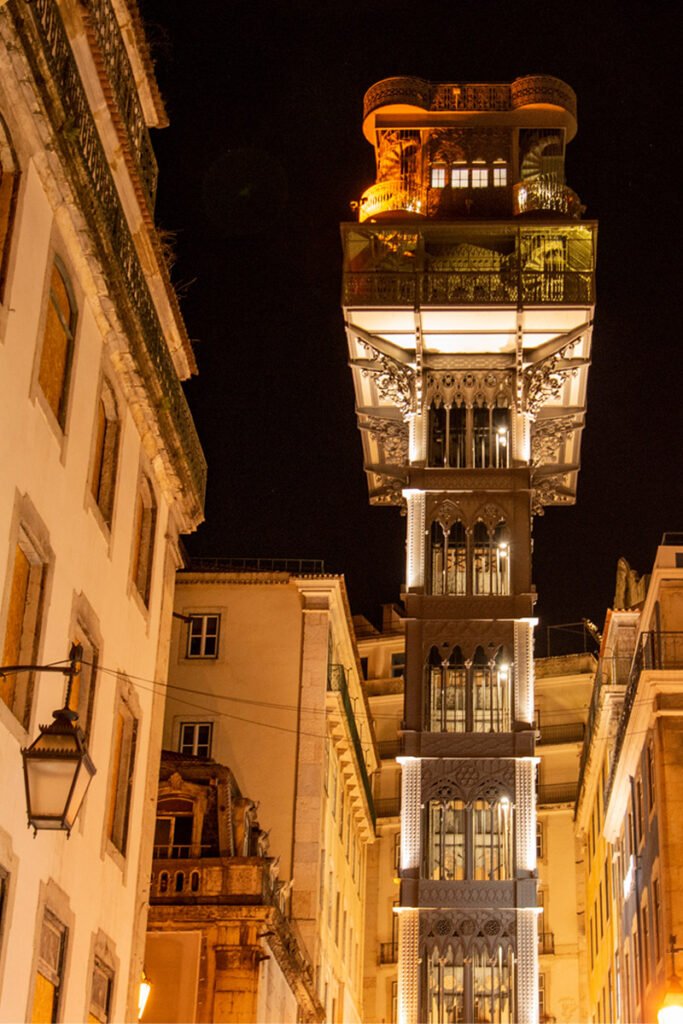
Santa Justa Lift: Lisbon’s Iron Icon
Completed in 1902, this neo-Gothic masterpiece was designed by Raoul Mesnier du Ponsard, a disciple of Gustave Eiffel. A must-see landmark where industrial history meets the best views in town.
Viewpoints, City Walks & Lisbon’s Signature Light
- Miradouros are non-negotiable. They’re the fastest way to feel Lisbon’s personality in one frame: rooftops, river, and tiled facades.
- Miradouro da Senhora do Monte (Graça): One of the city’s highest viewpoints, with sweeping views over Lisbon’s rooftops, the Castelo, and the Rio Tejo.
- Miradouro de São Pedro de Alcântara (Bairro Alto): A classic central viewpoint with an open panorama toward Baixa and the Castelo — perfect for golden hour photos.
- Miradouro das Portas do Sol (Alfama): The iconic postcard view over Alfama, with the Tejo in the background — especially magical at sunset.
- Miradouro de Santa Luzia (Alfama): One of the most photogenic spots in Lisbon — azulejos, flowers, and a perfect framing over Alfama and the Tejo.
- Miradouro do Parque Eduardo VII: A grand, symmetrical city view aligned with Avenida da Liberdade down to the rio Tejo—impressive for its scale and perspective.
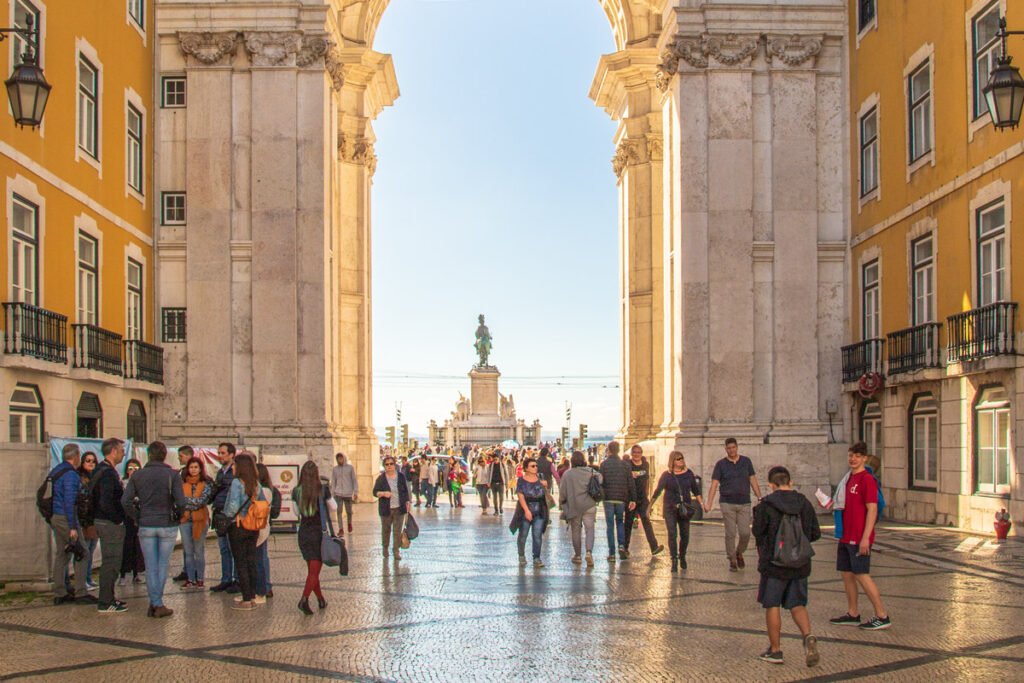
Stroll through Baixa and Chiado, ride the historic trams, explore the classic streets, and finish at Praça do Comércio — the grand riverside square with the equestrian statue — where the city opens into the Rio Tejo. This is one of the most “Lisbon” moments you can have: open sky, water, and history in one place.
- Rua Augusta & The Triumphal Arch: Walk down the vibrant pedestrian main street until you reach the magnificent Arco da Rua Augusta. This monumental stone arch serves as the grand threshold between the city’s commerce and the vastness of the river.
- Praça do Comércio: One of Europe’s most impressive riverside squares. With its symmetrical yellow arcades and the equestrian statue of King José I, this is where the city opens into the Rio Tejo.
- The “Lisbon Moment”: Stand at the Cais das Colunas (the marble steps at the water’s edge). This is the quintessential Lisbon experience: open sky, the scent of the Atlantic, and centuries of history meeting the Tagus tide.
- Mercado da Ribeira (Time Out Market): Located in Cais do Sodré, this is the ultimate destination for foodies. It’s a massive food hall that brings together the city’s best chefs, local specialties, and a lively atmosphere under one historic roof.
- Avenida da Liberdade, The Golden Axis: Lisbon’s most prestigious boulevard is a masterpiece of 19th-century urbanism. Lined with majestic trees and the iconic calçada portuguesa (Portuguese pavement), it is the heart of the city’s high-end lifestyle. This avenue is home to the world’s most renowned luxury houses — from Louis Vuitton and Prada to Gucci and Cartier.
Belém: Lisbon’s Heritage District
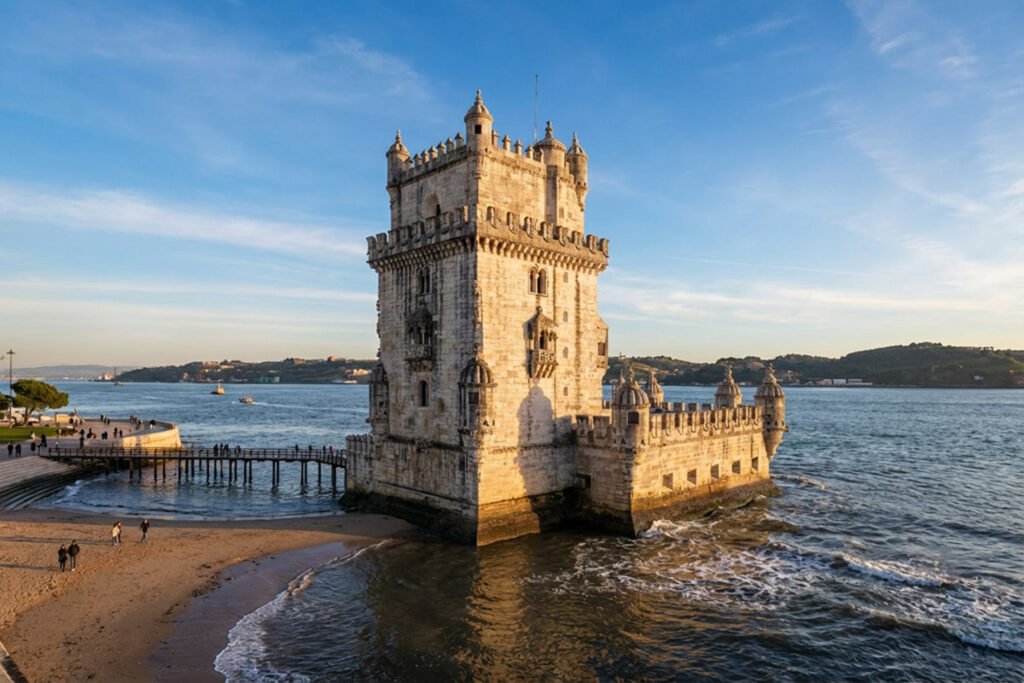
Belém is where Lisbon opens up to the Rio Tejo. It’s a monumental district that feels wider and more regal than the narrow alleys of the city center.
- Torre de Belém: A UNESCO World Heritage site and the most iconic symbol of Lisbon — This fortified tower once guarded the harbor and now stands as a masterpiece of Manueline architecture.
- Mosteiro dos Jerónimos: A breathtaking monastery with intricate stone carvings — It is a profound tribute to Portugal’s maritime golden age.
- Padrão dos Descobrimentos: A massive monument shaped like a ship’s prow — Built to honor the explorers who set sail from these very shores.
- Pastéis de Belém (The Original): The only place in the world where you can eat the “original” secret recipe since 1837 — While others are called pastéis de nata, these are the legendary originals. Eat them warm with cinnamon and powdered sugar.
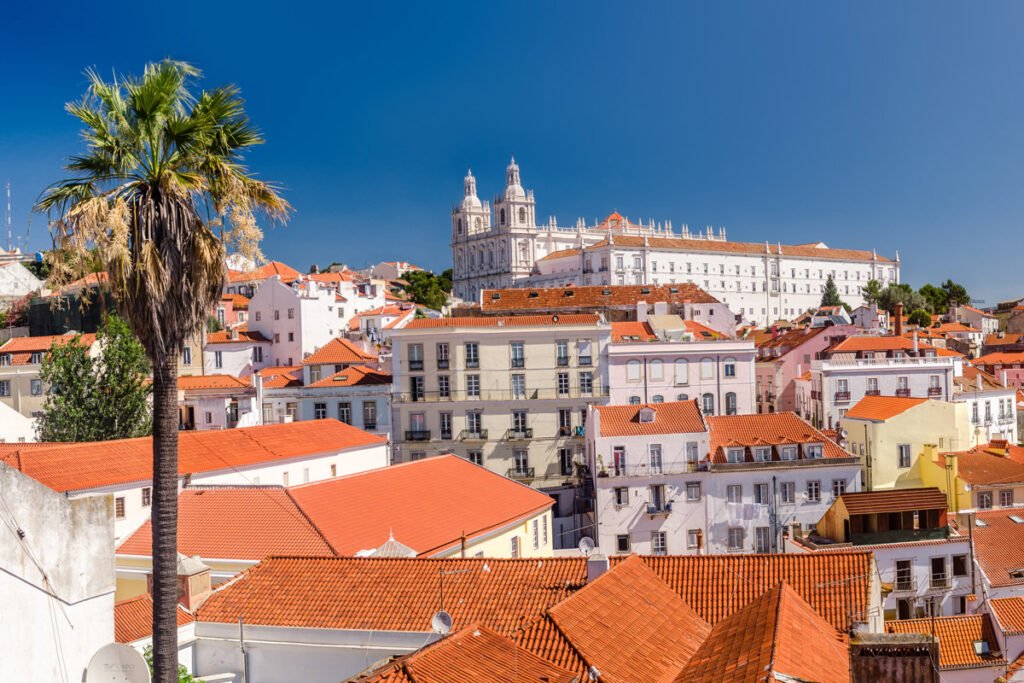
Alfama: Lisbon’s Oldest Soul
Walk slowly through Alfama’s alleys. This is the city’s most resilient district—a labyrinth of medieval streets, flower-filled balconies, and hidden squares that survived the Great Earthquake of 1755. At night, the district becomes a living soundtrack; this is where Lisbon’s emotional identity is strongest.
- Miradouros (Viewpoints): Alfama is home to the city’s most romantic views. Don’t miss Miradouro de Santa Luzia for its blue tiles and bougainvillea, or Portas do Sol for a wide panorama over the red rooftops and the Tagus River.
- The Fado Experience: As the sun sets, the “voice” of Lisbon emerges from small taverns. This is the birthplace of Fado—soulful, melancholic music that is best experienced in a tiny, local Casa de Fado.
- Castelo de São Jorge: Standing tall above the district, this Moorish castle offers 360-degree views of the capital — It is the ultimate spot to understand the city’s geography.
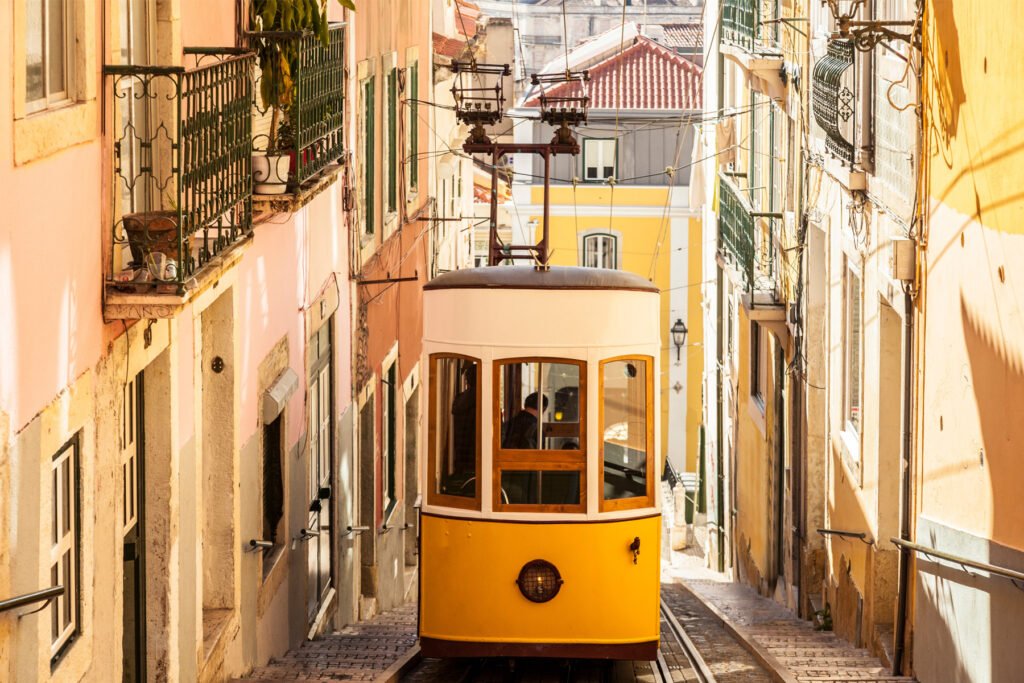
- The Iconic Tram 28: Watch the iconic yellow trams navigate the narrow curves—a moving piece of history.
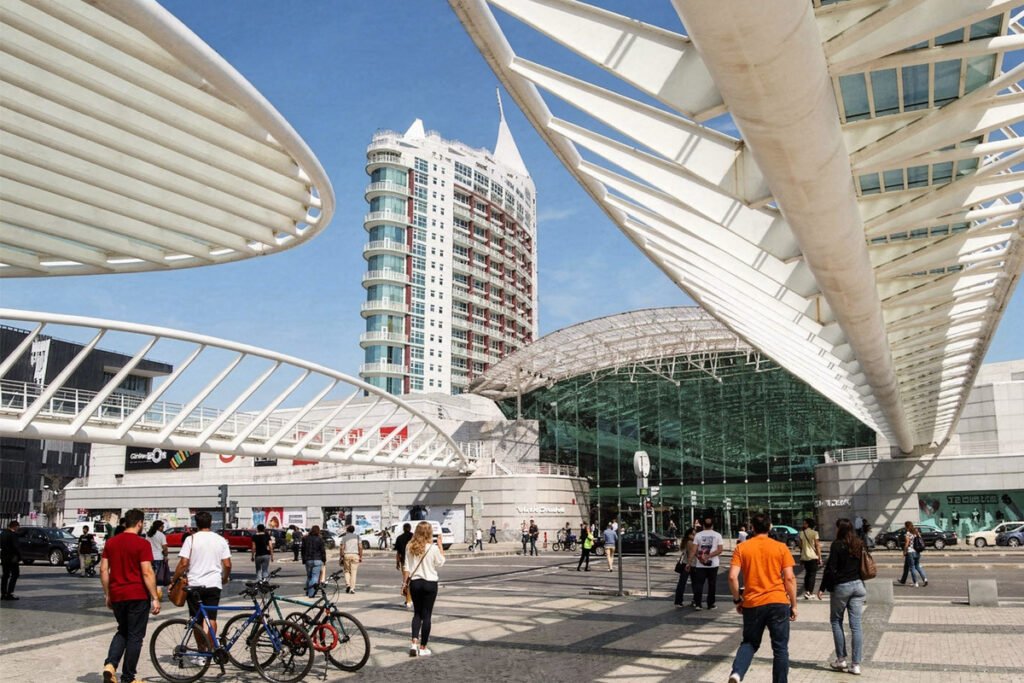
Parque das Nações: The modern waterfront
If your Lisbon itinerary is longer than a couple of days, Parque das Nações adds a clean, contemporary contrast — wide promenades, modern design, and a calmer riverside pace.
WTDP Tip: Avoid Tram 28 at peak hours. If you want the charm without the crush, try the lesser-known Elétrico 24 for a more local feel.

Sintra: Fairytale mountains
Sintra isn’t just a day trip — it’s Lisbon District’s most cinematic escape. In less than an hour from Lisbon, the energy changes completely: cooler air, dense forests, and a “fairytale” atmosphere that feels almost surreal. The best way to do Sintra is to treat it like a curated route, not a checklist. Choose your priorities (palaces, gardens, viewpoints, or pure nature), build in time for slow moments, and avoid the common mistake of trying to see everything in one afternoon.
- Palácio da Pena: iconic, dramatic, and visually unforgettable
- Quinta da Regaleira: gardens, symbolism, tunnels, and pure atmosphere
- Castelo dos Mouros: rugged walls and panoramic views over the hills and coastline on clear days.
- Palácio Nacional de Sintra: right in town — a great “history + architecture” stop without extra logistics.
- Monserrate (Palácio e Parque): a quieter, more elegant garden experience (lush, romantic, less crowded).
- Cabo da Roca: the dramatic Atlantic edge — perfect for a quick “wild Portugal” stop.
- Praia da Ursa (or Praia Grande): Sintra’s coastal side — cliffs, surf energy, and beaches that feel raw and cinematic.
WTDP Tip: Start early. Sintra rewards early mornings — less crowd, better light, more magic.
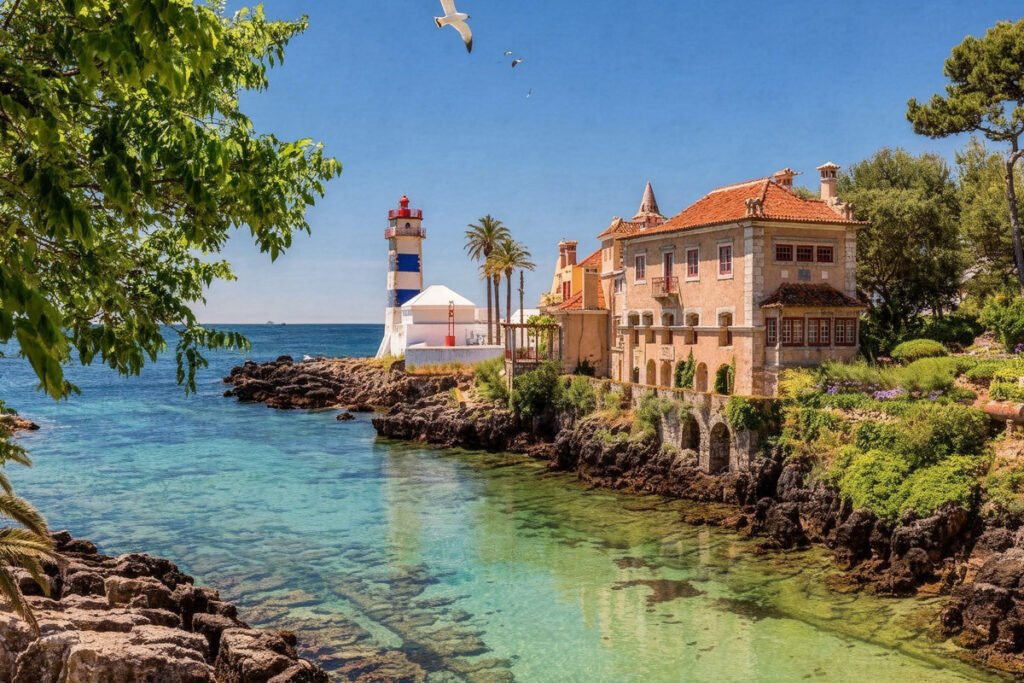
Cascais: The refined soul of the riviera
Cascais is the district’s most polished coastline — a charming former fishing village turned into a high-end retreat. It offers a seamless blend of historical heritage and a modern, active lifestyle that makes visitors consider staying forever.
- The Historic Center: A maze of elegant streets filled with designer boutiques, outdoor cafés, and the scent of the Atlantic.
- Santa Marta Lighthouse & Casa de Santa Maria: The town’s most iconic postcard — A stunning architectural duo where blue-and-white stripes meet a noble 19th-century residence over a turquoise cove.
- Boca do Inferno: A dramatic cliff formation just a short walk from the center where the ocean crashes with raw power — A reminder of the Atlantic’s untamed beauty.
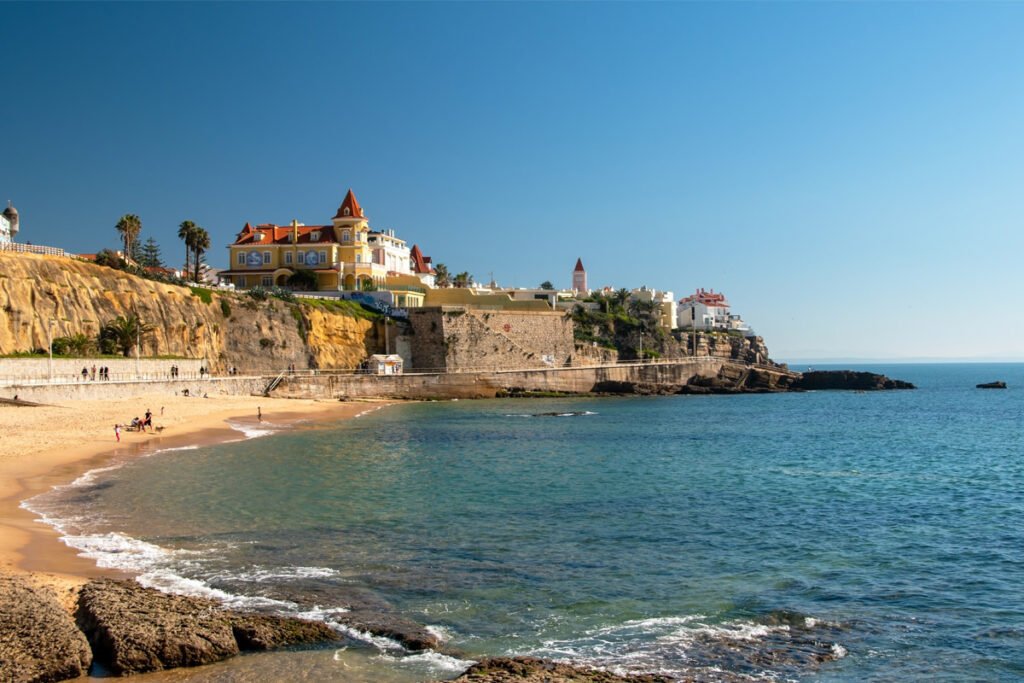
Estoril: The glamour of the portuguese riviera
Just a short scenic train ride from the city center, Estoril offers a sophisticated escape where the Atlantic breeze meets mid-century elegance. Historically a refuge for European royalty and spies during WWII, it remains one of the most prestigious addresses in the country.
- Praia do Tamariz: A stunning golden cove framed by the iconic Chalet Barros castle — It is the perfect spot to enjoy the sun in a refined atmosphere.
- The Casino Estoril: One of the largest in Europe and the inspiration for Ian Fleming’s Casino Royale — A landmark of entertainment and local nightlife.
- The Promenade (Paredão): A beautiful seaside walkway that connects Estoril to Cascais — Ideal for a morning run or a sunset stroll with views of the historic mansions.
Best Places to visit in Lisbon
Lisbon is one of Europe’s most cinematic capitals: a city of seven hills, historic yellow trams, and a unique golden light that turns everyday streets into postcard scenes. To truly understand the Lisbon District, you must balance its ancient soul with its sophisticated coastline.
The City Core: Hills, arches & viewpoints
The heart of Lisbon is best explored on foot (and by lift). From the reconstructed elegance of Baixa to the labyrinth of Alfama, these are the non-negotiables:
- Santa Justa Lift: A neo-Gothic industrial masterpiece designed by a disciple of Gustave Eiffel — It offers one of the most unique panoramic views over the city’s center.
- Arco da Rua Augusta & Praça do Comércio: Walk through the monumental stone arch to reach Europe’s most impressive riverside square — This is the “Lisbon Moment” where the city meets the Rio Tejo.
- The Miradouro Route: Lisbon’s personality is best captured from its viewpoints. Don’t miss Senhora do Monte for the highest perspective, São Pedro de Alcântara for the golden hour, and Santa Luzia for its iconic blue tiles and bougainvillea.
- Alfama & Castelo de São Jorge: Explore the city’s oldest soul by climbing to the Moorish castle — Finish the night in a local tavern listening to the melancholic echoes of Fado.
Belém: The maritime legacy
A few kilometers west of the center, Belém is where Portugal’s Age of Discovery began. It is a district of monuments and world-famous flavors.
- Torre de Belém & Jerónimos Monastery: Two UNESCO masterpieces of Manueline architecture — Intricate stone carvings that tell the story of the sea.
- Padrão dos Descobrimentos: A massive tribute to the explorers, standing tall like a ship’s prow against the river.
- Pastéis de Belém (The Original): You cannot leave without tasting the Pastéis de Belém — The original secret recipe since 1837, served warm with cinnamon.
The fairytale & The riviera: Essential day trips
The Lisbon District extends far beyond the city limits. These two escapes are mandatory to complete the experience:
- Sintra, A Fairytale Mountain: Less than an hour away, the air turns cooler and the landscape more surreal. Focus on the vibrant Palácio da Pena, the mysterious gardens of Quinta da Regaleira, and the dramatic Atlantic edge at Cabo da Roca.
- Cascais & Estoril, The Portuguese Riviera: Experience the refined soul of the coast. From the glamour of Casino Estoril and Tamariz Beach to the sophisticated seaside vibe of the Santa Marta Lighthouse in Cascais.
WTDP Tip: Avoid the crowds of Tram 28 at peak hours. If you want the vintage charm without the crush, try the lesser-known Tram 24 for a more local, authentic feel through the city’s hills.
Lisbon Gastronomy and Cocktail Culture
Lisbon District is not just beautiful—it’s social, safe, and genuinely fun.
What to Eat in Lisbon (the local way)
The region’s culinary identity is tied to the Atlantic:
- Fresh seafood culture near the coast
- Pastries rooted in Lisbon’s monastery history
- Modern dining with international influence (especially in Lisbon)
Lisbon Rooftops, Bars & Coastal Evenings
Choose your vibe:
- Rooftops in Chiado with city views
- Beach evenings in Caparica with sand under your feet
- Relaxed dinners in Cascais with sea air and a slower rhythm
Lisbon Special Plates

Inside the Icon: What’s in a Pastel de Nata?
The secret lies in the contrast between a buttery, multi-layered puff pastry and a rich custard made from fresh milk, sugar, and plenty of egg yolks. This cream is traditionally infused with lemon peel and cinnamon to create its signature aroma. Everything is baked at a very high temperature until the pastry becomes incredibly crispy and the top caramelizes into those iconic dark spots. It is a masterpiece of texture, best enjoyed warm and finished with a generous dusting of cinnamon.
- Bacalhau à Brás
Shredded cod with onions, thin fries, eggs, and olives. Comfort food, but truly iconic when done well. - Sardinhas Assadas
Grilled sardines (especially in season) served with bread, salad, and that unmistakable smoky flavor. A Lisbon summer ritual. - Bifana
A thin pork sandwich in a garlicky sauce—fast, local, and perfect when you want something quick without losing authenticity. - Amêijoas à Bulhão Pato
Clams cooked with garlic, olive oil, white wine, coriander, and lemon. Light, salty, and very “Lisbon by the sea.” - Arroz Malandrinho
A rich, slightly “soupy” Portuguese rice dish cooked with a flavorful broth—often served with seafood or seafood rice—comforting, hearty, and perfect when you want something truly local beyond the tourist classics. - Pastel de Nata
Portugal’s most famous pastry—crispy, creamy, and best enjoyed warm with cinnamon. (For the classic experience, pair it with an espresso.)
WTDP Tip: Skip the restaurants with aggressive “tourist menus” right by the main squares—walk 5–10 minutes into the side streets, choose a place with a shorter menu in Portuguese, and you’ll almost always get better food and better value.
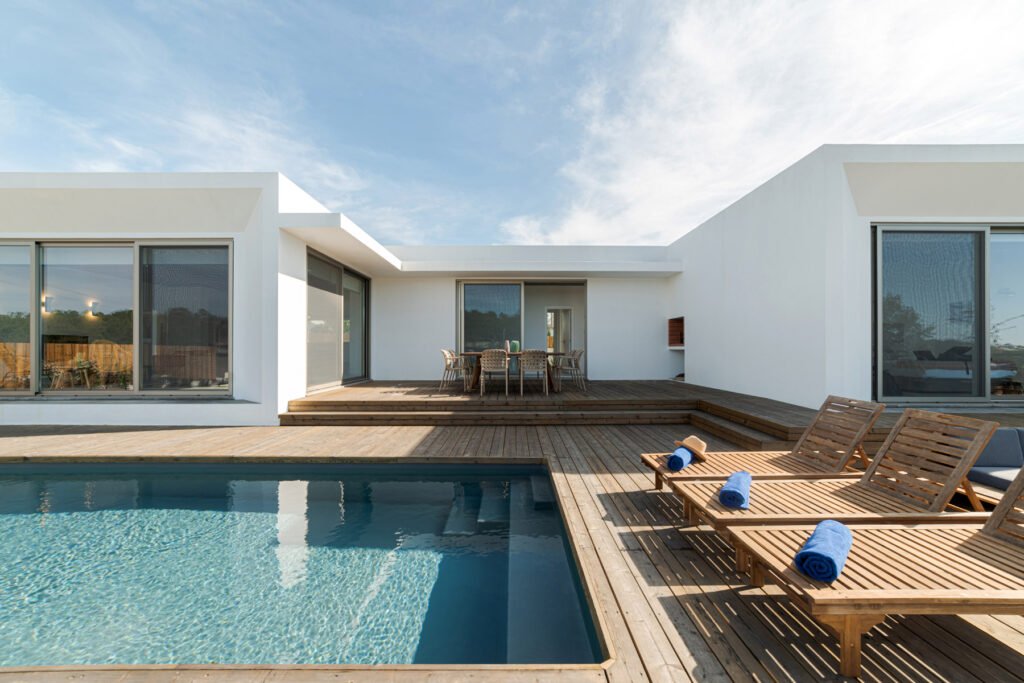
invest & buy houses in Lisbon
The Lisbon District isn’t only a destination—it’s a global magnet for lifestyle-driven investment. The fundamentals are strong: safety, climate, infrastructure, international demand, and a growing ecosystem of businesses that keep the region relevant year after year.
Strategic Growth & Long-term Demand
Lisbon has become a European hub for entrepreneurs and global companies, which sustains long-term demand for high-quality residential and commercial spaces.
2026 Context (Educational, not salesy)
Portugal’s framework evolves, but Lisbon District remains one of the most stable reference points for international buyers and long-term planners—especially those looking for a strategic European base.
A simple Itinerary: What to do Lisbon in 4–5 days
Day 1–2: Lisboa
- Baixa + Chiado + Praça do Comércio (Rio Tejo)
- Belém (Mosteiro dos Jerónimos)
- Miradouros + Alfama
- Optional: Parque das Nações
Day 3: Sintra
- Palácio da Pena + Quinta da Regaleira
- Forest atmosphere + viewpoints
Day 4: Cascais
- Old town + coastal walk + beach time
Day 5 (optional): Atlantic beach day
- Praia do Guincho (wild) or Costa da Caparica (easy)
FAQ: Lisbon 2026
Is Sintra a day trip from Lisbon?
Yes—Sintra is one of the best day trips in Portugal and fits naturally into any Lisbon District itinerary.
Is Cascais worth it?
If you want beach lifestyle, coastal dining, or a “Portuguese Riviera” day, Cascais is absolutely worth it.
Do I need a car in Lisbon District?
In Lisbon city, no. For Sintra/Cascais, public transport works—but a car adds flexibility for beaches and viewpoints.
So… What to do Lisbon 2026?
If you want the most complete Portugal experience in one region — history, palaces, coast, and lifestyle — The Lisbon District is the strongest starting point. It’s where Portugal’s classic beauty meets modern comfort, and where a trip can shift naturally into a longer stay.
Best Cities in Portugal: Discover Porto, the Northern Capital
If you are exploring the vibrant streets of Lisbon, experiencing the northern capital is the essential next step to complete your trip.
- Explore our What to Do Porto 2026 Guide to discover the best cities in Portugal, top places to visit in Porto, world-famous Port wine cellars, the iconic Douro Valley, and authentic northern gastronomy.
Pingback: What to Do Portugal (2026): The Ultimate Guide - whattodoportugal.com