Discover Madeira With: What To Do Madeira 2026 Guide
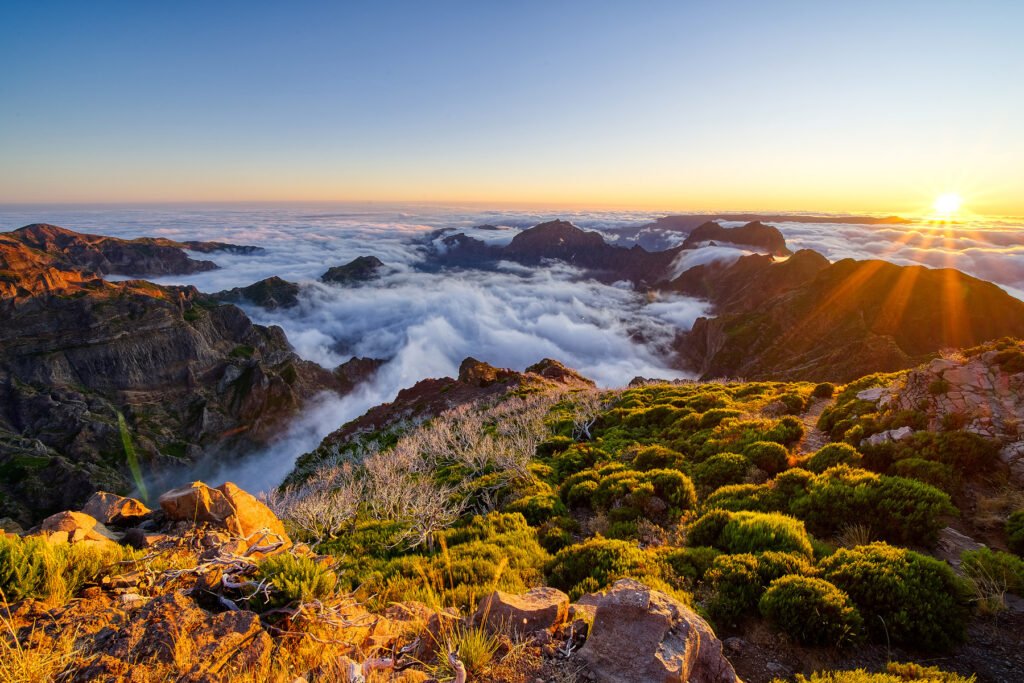
If you are planning a trip to Madeira, figuring out What to Do Madeira Island 2026 Guide is the ultimate starting point for an unforgettable journey. Think of it as Portugal’s “vertical paradise.” This is a volcanic sanctuary where you can watch the sunrise above the clouds, hike through UNESCO-protected laurel forests, and swim in natural pools carved into the rock—all in a single day.
Whether your goal is to explore the best places to visit in Madeira, indulge in authentic madeira gastronomy, or discover lucrative opportunities to invest & buy houses in Madeira, this ultimate guide covers everything you need to plan your ideal itinerary. Because of its volcanic origins, Madeira is compact but incredibly rugged. While the island is small, the terrain is a masterpiece of steep peaks and deep valleys, which makes logistics the most important part of your planning.
To truly unlock Madeira’s beauty, renting a car is essential. Although the distances look short on a map, public buses take a long time to navigate the winding roads and tunnels, causing you to lose precious hours of your trip. If you prefer not to drive, booking a Jeep Safari is the ultimate way to reach the hidden gems and off-road wonders that are otherwise inaccessible.
Don’t try to see it all at once. The smartest way to explore is to follow the coordinates. If you head West, dedicate the entire day to that trajectory, making stops at every iconic point along the way. Walking between towns is not advisable due to the tunnels and steep inclines, so choose your wheels wisely and let the island’s landscape guide your route.
Funchal serves as your perfect base for comfort, fine dining, and services, while the rest of the island delivers nature that looks almost unreal: cliffs, waterfalls, and trails carved into the very soul of the mountain.
Best Time to Visit Madeira
- April–June: Lush spring landscapes, blooming flowers, and perfect temperatures for levada walking.
- July–September: Warmest months, ideal for natural sea pools and ocean excursions.
- October–December (Festive Season): December in Madeira is magical. Funchal transforms into a illuminated wonderland with world-famous Christmas lights. Walking through the city center at night is unforgettable, especially around the central avenue where you’ll find the lively local “barraquinhas”—stalls where locals and visitors gather to drink traditional poncha and enjoy seasonal island food.
- New Year’s Eve (December 31st): Experiencing the New Year’s Eve fireworks is unmatched. Funchal’s natural amphitheater layout creates the ultimate stage for a display that has won awards for the best fireworks show in the world. The bay fills with cruise ships, the atmosphere is electric, and people celebrate in the streets, from private viewpoints, or at fabulous hotel galas.
WTDP Tip: Pick a trail that matches your fitness level. Madeira is best experienced when you are savoring the view, not struggling through it.

Don’t Waste your Holiday Waiting for a Bus!
To truly experience the island, renting a car is your best move. It gives you the freedom to chase the sun and beat the crowds. If you are not comfortable driving on steep, winding roads, booking a 4×4 tour or a private shuttle is the smartest alternative. You’ll see in one day what would take you three days by bus!
Check your options: For mountain weather and live views before you drive, always check: netmadeira.com
Quick picks: What to do Madeira island
- Enjoy unforgettable sunrise and sunset moments above the clouds and by the Atlantic.
- Walk along Madeira’s iconic levadas, where small water channels guide you through forests, mountains, and toward waterfalls or scenic viewpoints.
- Swim in natural volcanic pools, carved directly into the Atlantic coastline.
- Explore the island’s dry, dramatic coastline, shaped by wind, cliffs, and ocean views.
- Spend a full day in Funchal: experience the local market culture, walk the historic Old Town, and catch the scenic cable car to Monte.
- Add one boat trip—for dolphin and whale watching or a relaxed sunset cruise.
- Enjoy traditional Madeiran food (espetada, bolo do caco, milho frito, picado) and local drinks (Madeira Wine, Poncha, and Nikita).
- Why not? Take the ferry to Porto Santo and enjoy a paradisiacal island with soft golden sand and turquoise ocean waters.
What to do Madeira island 2026 (Madeira Attractions)
Best places to Visit in madeira
Madeira is the kind of destination where the “big moments” are natural. The best approach is to pick a few hero experiences and leave space for slow stops—because Madeira’s beauty hits hardest when you’re not rushing.
To navigate the island like an expert, you need to understand the two types of trails:
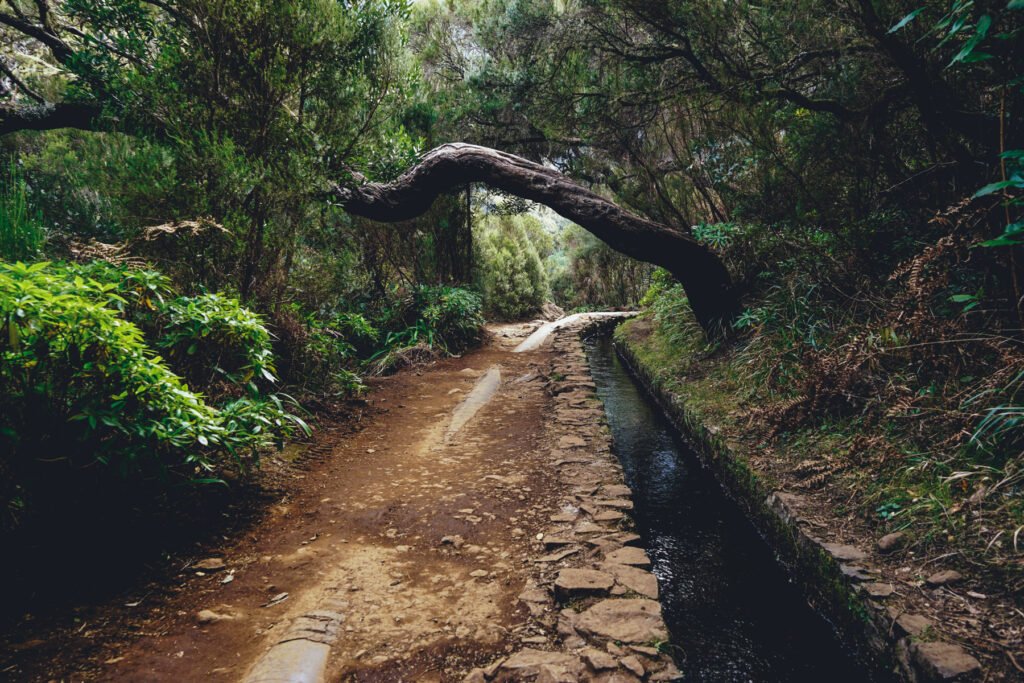
- Levadas: Unique irrigation channels that double as walking paths. They are usually flatter and take you through the heart of the lush laurel forests.
- Veredas or Trails: Traditional mountain or coastal paths. Unlike levadas, they often involve significant elevation changes.
Understanding the PR Codes: Official trails are marked with PR (Pequena Rota) followed by a number. These are government-sanctioned, well-signed, and maintained routes. Always check the PR number before heading out.
1. Levada Walks: Madeira’s most iconic outdoor experience
Levadas are the true pulse of Madeira’s identity. These historic irrigation channels have evolved into an extraordinary hiking network that leads you through mystical tunnels, lush laurel forests, and hidden waterfall lagoons.
- Levada das 25 Fontes: The absolute classic.
- Levada do Risco: The sister of the 25 Fontes (featuring a stunning vertical waterfall).
- Levada do Caldeirão Verde: The most scenic, famous for its tunnels and dramatic heights.
- Levada do Rei: The purest and most majestic experience of the laurel forest.
- Levada do Alecrim: Open landscapes and crystal-clear lagoons in Paúl da Serra.
- Levada do Moinho & Levada Nova: The perfect combo in Ponta do Sol.
- Levada do Furado: The essential connection between Ribeiro Frio and Portela.
- Levada dos Balcões: The best effort-to-view ratio on the island.
- Fajã da Nogueira / Caldeirão do Inferno: For experts only (pure, raw adventure).
2. Vereda Paths: Touching the sky and the sea
While levadas follow the water, Veredas take you to the edges of the world. These are traditional mountain and coastal trails designed to conquer Madeira’s rugged topography. Expect steeper climbs, dramatic ridge walks, and panoramic views that stay with you forever.
A golden rule for your journey: Always check the mountain weather (NetMadeira or IPMA) and your gear. The terrain here is raw and the microclimates shift fast—elevation is the name of the game.
- Vereda do Arieiro (PR1): The “King” of trails. It connects the island’s highest peaks (Arieiro to Ruivo). It’s challenging, but walking above the clouds is a spiritual experience.
- Vereda de São Lourenço (PR8): A dramatic shift to a volcanic, desert-like peninsula. Giant cliffs and crashing waves—unmissable Atlantic energy.
- Vereda do Fanal (PR13): Like stepping into a fairytale. Famous for its ancient, twisted laurel trees and the mystical fog that often rolls through the plateau.
- Vereda del Pico Ruivo (PR1.2): The shortest and easiest way to reach the highest point of Madeira (1862m) for those who want the summit without the 6-hour trek.
- Vereda del Larano: A breathtaking coastal path connecting Machico and Porto da Cruz, carved into the side of massive cliffs overlooking the ocean.
- Vereda do Cavalo: Offers stunning views over the Curral das Freiras (Nuns Valley) and the central mountain range.
- Vereda de la Ponta do Pargo: A peaceful walk to the westernmost lighthouse, where the sunsets feel like the end of the world.
3. Miradouros: Madeira’s epic vantage points
In a “vertical paradise” like Madeira, the viewpoints are the stars of the show. Whether they are perched on a 500-meter cliff or tucked inside a volcanic crater, these Miradouros offer the best seats in the house to witness the island’s raw power.
WTDP Strategy: Some of these are “Drive-in” (park and see), while others require a short walk. Plan your route to catch them during the golden hour for the most dramatic photos.
- Cabo Girão: One of the highest sea cliffs in Europe. Its famous glass skywalk offers a heart-racing view of the terraced fields (fajãs) and the Atlantic, 580 meters directly below your feet.
- Miradouro dos Balcões: If you are looking for the best reward for the least effort, this is it. Miradouro dos Balcões offers one of Madeira’s most breathtaking panoramic views after a very easy, flat, and magical 1.5 km walk (PR 11) through the ancient Laurissilva forest.
- Eira do Serrado: The best view of the island’s interior. From here, you look down into Curral das Freiras (Nun’s Valley), a village nestled in a massive volcanic cauldron.
- Cristo Rei (Caniço): Located on a dramatic headland, this majestic statue of Christ looks out over the ocean. It’s a peaceful spot with a staircase leading down to the sea—perfect for sunset.
- Ponta do Rosto & Baía d’Abra (Ponta de São Lourenço): These are the two essential stops for those who want to see the “Elephant Rock” and the dragon-tail cliffs without doing the long hike.
- Miradouro do Véu da Noiva: Located on the North Coast, it offers a perfect view of a waterfall that flows directly into the ocean. It looks like a “Bride’s Veil” draped over the cliff.
- Miradouro da Rocha do Navio (Santana): A hidden gem where you can see the traditional coastal agriculture and take a steep cable car down to the shore.
- Arco de São Jorge: A panoramic spot where the green vineyards meet the wild north sea. It’s the definition of “coastal serenity.”
- Guindaste Viewpoint (Faial): Recently renovated with glass platforms, it offers a stunning perspective of the north coast’s ruggedness.
- Our Lady of Peace (Nossa Senhora da Paz), on the road to Poiso: This small but meaningful religious stop is tied to a local legend: the Virgin is said to have stopped a bullet, making the site a symbol of protection and gratitude. Whether or not you’re religious, it’s an interesting cultural pause along the drive to Poiso and the central mountains.
Small Village and Activities:
Funchal’s Coastal Secret: Doca do Cavacas to Praia Formosa
For a perfect evening in Funchal, head to the Doca do Cavacas natural pools.
The Tunnel: There is a unique pedestrian tunnel that connects Doca do Cavacas with Praia Formosa. Walking through it while hearing the waves crash against the volcanic rock is a classic local experience.
Sunset & Seafood: Praia Formosa is the longest beach in Funchal and an incredible spot for sunset. After the walk, stay in the area for a fresh seafood dinner at one of the seaside restaurants—the perfect way to end a day with the sound of the ocean.
Porto Moniz – Natural Pools & Volcanic Coast
Madeira’s coast is powerful and rugged, so the island’s swimming “icons” are often natural pools and protected coves. Porto Moniz is the classic: ocean water, volcanic rock, and a swimming experience that feels like a natural spa.
Boat trips: yes—Madeira is also an ocean destination
It’s not just cliffs and beaches. Madeira is great for boat tours, especially for dolphin/whale watching and scenic coastline cruises. If you want one “luxury-feel” experience without overplanning, a boat trip is perfect.
WTDP Tip: Madeira is full of tunnels, steep roads, and microclimates. Keep a light jacket in your bag—sun and fog can swap in minutes.
Monte & Its Gardens (By cable car)
Monte is one of Madeira’s most classic half-day experiences. The cable car ride from Funchal offers panoramic views over the city and the bay, and once at the top, you’ll find gardens, historic surroundings, and a quieter pace. It’s ideal for travelers who want views without hiking.
Porto da Cruz & Penha d’Águia
Porto da Cruz combines raw nature with a relaxed coastal vibe. The dramatic Penha d’Águia mountain dominates the landscape, while the seafront invites long lunches and slow meals facing the ocean. Don’t miss a stop at the local rum (aguardente) distillery—a small but authentic taste of Madeira’s sugarcane heritage.
Câmara de Lobos – Fisherman’s heritage & the home of Poncha
Step into the most picturesque amphitheater on the island. Câmara de Lobos is more than just a village; it’s a living postcard where the Atlantic breeze carries centuries of maritime history and the aroma of freshly made Poncha.
This charming bay is famous for its colorful “Xavelhas” (traditional fishing boats) that rest on the pebble beach. It’s the same scenery that once captivated Winston Churchill, who sat here to paint the soul of the village. Today, it remains the best place to witness the tradition of the Espada (Black Scabbard Fish) fishing culture.
The Home of Poncha
You haven’t truly tasted Madeira until you’ve had a Poncha in its birthplace. Originally created by fishermen to stay warm and healthy at sea, this legendary mix of aguardente, honey, and lemon is best enjoyed in the local “tabernas.”
Jardim do Mar: Village walks & Atlantic rhythm
Jardim do Mar is one of Madeira’s most charming coastal villages. Walking through the village—especially around the church area—is simple, calm, and deeply pleasant. Narrow streets, ocean air, and a rhythm that invites you to slow down. It’s not about “doing” much here; it’s about being present.
Ponta do Sol
Ponta do Sol is one of Madeira’s sunniest and most charming coastal towns, known for its calm atmosphere, small village feel, and relaxed seaside walks. Just nearby, Cascatas dos Anjos offers a unique and playful Madeira moment.
Must-see Madeira: The Most Iconic Spots in Madeira Island
Ponta de São Lourenço – Volcanic cliffs & the “Elephant Rock”
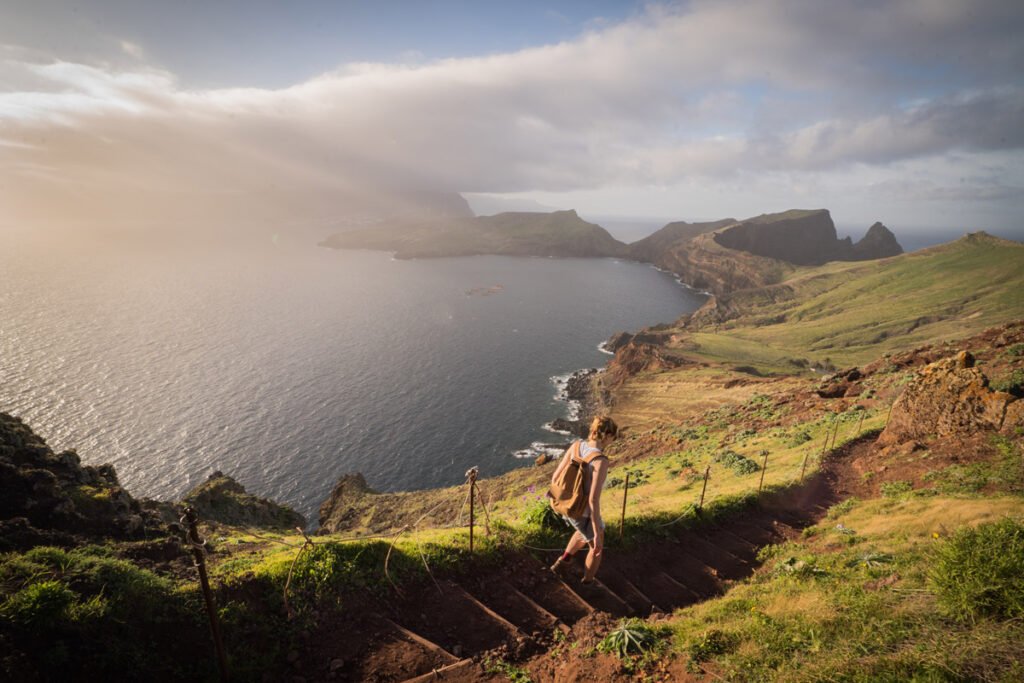
This is Madeira’s easternmost tip, where the landscape shifts from lush green to a dramatic, semi-arid volcanic paradise. The hike offers some of the most spectacular cliff views in Europe. For a complete experience, walk the trail to Cais do Sardinha and, instead of hiking back, take a boat return to the marina. This allows you to admire the coastline from below and see the famous “Elephant Rock”—a natural geological formation that looks remarkably like an elephant drinking from the Atlantic.
Cascata dos Anjos: The natural car wash
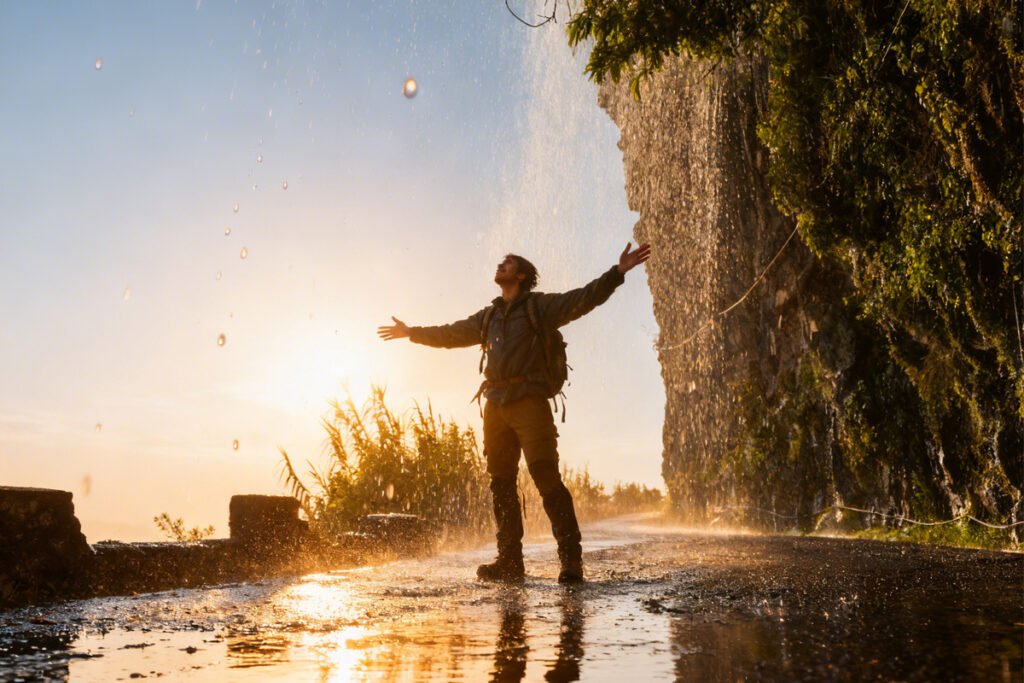
Located right between Ponta do Sol and Madalena do Mar, this is one of the island’s most “Instagrammable” spots. It is a waterfall that falls directly onto the old coastal road. Whether you drive through it for a “natural car wash” or walk under it for a photo, it’s a fun, quirky, and beautiful stop that showcases Madeira’s wild water sources.
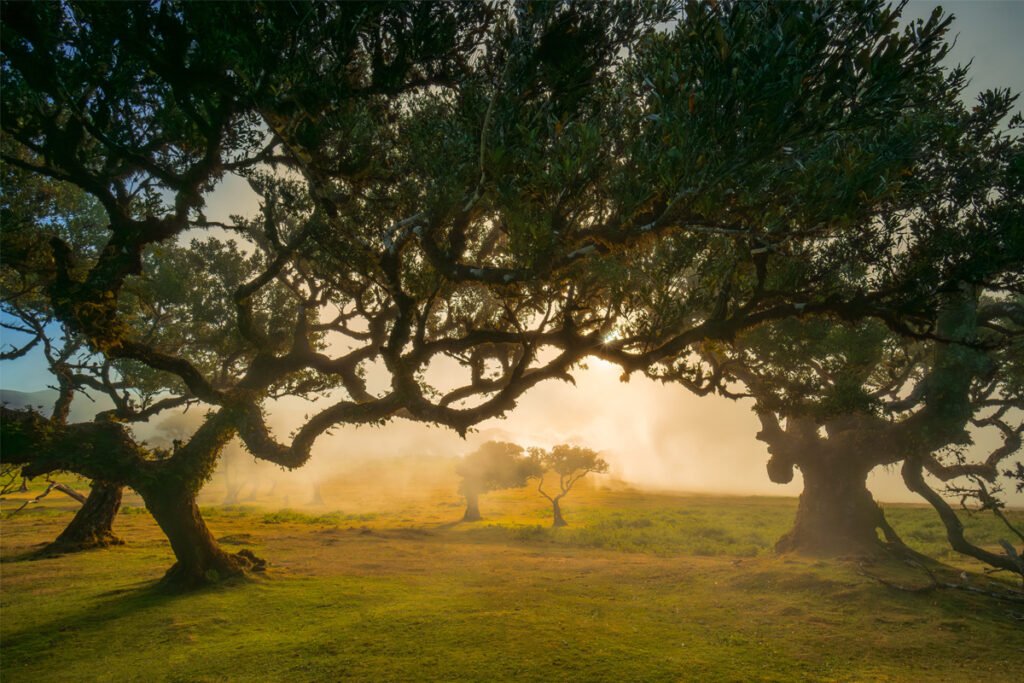
Fanal: The enchanted forest of the clouds
If there is one place in Madeira that feels truly supernatural, it is Fanal. Located on the high plateau of Paúl da Serra, this UNESCO World Heritage site is home to an ancient Laurisilva forest filled with Til trees (Ocotea foetens), some of which have been standing for over 500 years.
Fanal is famous for its mystical fog. While most tourists run away from clouds, here we pray for them. When the mist rolls in, the twisted, moss-covered branches of the trees create a “fairytale” landscape that is a dream for photographers and nature lovers alike.
What can you do in Fanal? Beyond wandering among the ancient trees and the local cows that roam freely, Fanal is a major crossroads for some of the island’s best trekking:
- Vereda do Fanal (PR13): This is the main trail. It’s a 10km ridge walk that offers breathtaking views of the Ribeira da Janela valley before arriving at the iconic forest basin.
- Levada dos Cedros (PR14): This is the essential levada of the area. It starts at Fanal and descends through one of the most primitive and well-preserved parts of the forest. Following this water channel is like walking through a green cathedral of ferns and ancient cedars.
- The “Fanal Pond”: After the rain, a small crater lake forms near the trees, reflecting the twisted branches and adding another layer of magic to the scene.
WTDP Tip: Don’t wait for a “perfect sunny day” to visit Fanal. In fact, Fanal is at its best when it’s foggy. The experience of hearing nothing but the wind and seeing the silhouettes of 500-year-old trees appear through the mist is something you will never forget.
Hiking Ribeiro Frio: The ultimate two-in-one guide
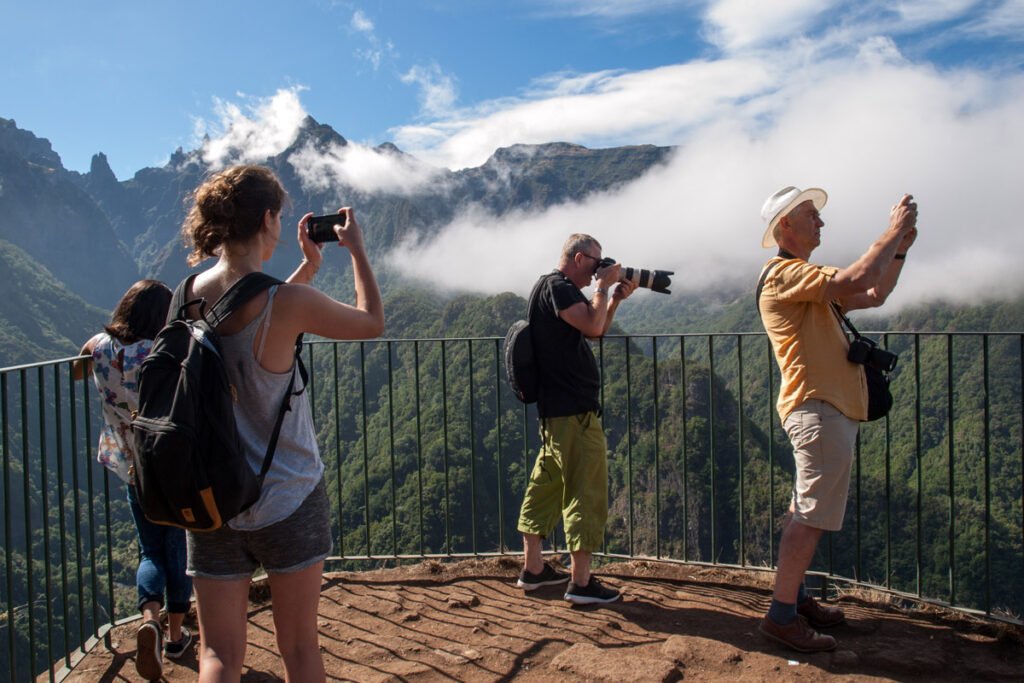
Ribeiro Frio offers one of Madeira’s easiest and most rewarding outdoor experiences. Located in a charming mountain village famous for its trout farm, this area is the gateway to two spectacular trails. You can start with the short Vereda dos Balcões (PR11) for a breathtaking viewpoint, and then continue onto the Levada do Furado (PR10)—a deep dive into the lush Laurissilva forest that ends in Portela.
A Photographer’s Paradise: Birds & peaks
The Balcões Viewpoint is world-renowned among nature photographers for two main reasons:
- The Panoramic Views: From the terrace, you can capture the majestic “Central Mountain Massif,” including Madeira’s highest peaks: Pico do Areeiro and Pico Ruivo.
- The Friendly Birds: It is the best place on the island to photograph endemic birds. You will easily spot the Madeira Chaffinch (Tentilhão) and the tiny Firecrest (Bis-bis). They are so accustomed to visitors that they often fly down to eat right from your hand, making for an unforgettable “Disney-style” photo opportunity.
The Madeira Essentials (Iconic places – Resume)
- Funchal Old Town (Zona Velha) + Cable car to Monte: During the day enjoing going to Monte by cable car, and at evening cobbled streets, restaurants, bars, and that classic island-night atmosphere.
- Câmara de Lobos: Traditional fishing village with colorful boats—the birthplace of Poncha and the perfect spot to feel the island’s maritime soul.
- Cabo Girão viewpoint: one of Europe’s highest sea cliffs—pure drama and iconic photos.
- Pico do Arieiro (sunrise): the island’s most famous high-altitude viewpoint.
- PR1 (Areeiro–Ruivo route, when open): Madeira’s most iconic ridge hike (check conditions/closures).
- Levada das 25 Fontes: waterfalls + lush greenery, one of the most “Madeira” walks.
- Caldeirão Verde: forest + tunnels + waterfall energy (classic levada vibe).
- Ponta de São Lourenço: a totally different Madeira—dry, wild, ocean wind, huge views. Go walking and come back on boat.
- Porto Moniz natural pools: swim in volcanic ocean pools, a Madeira must-do.
- Fanal: The mystical, misty forest of ancient Laurel trees—it feels like a movie set and offers a dreamlike, unique atmosphere.
- Jardim do Mar: A hidden gem for surfers and sunset lovers—charming narrow streets, ocean breeze, and the most peaceful “village vibe.”
- Ponta Do Sol and Cascata do Anjos: The sunniest spot on the island meets the famous “car wash” waterfall that falls directly onto the coastal road.
- Ponta do Pargo, Miradouro Garganta Funda: Dramatic lighthouse views at the western tip plus a hidden, towering waterfall plunging into a deep green abyss.
Madeira Gastronomy & Cocktail Culture
Madeira is a food island. The flavors are simple but strong—seafood, grilled meats, and local specialties you won’t find the same way on the mainland.
What to Eat in Madeira Island (The local way)
The local gastronomy is defined by bold flavors, fresh ingredients, and a touch of island tradition that has remained unchanged for generations. From the mountains where laurel wood smoke fills the air to the seaside terraces where the catch of the day arrives every morning, Madeira’s food scene is authentic, unpretentious, and utterly delicious.
Whether you are sharing a “Picado” with friends or enjoying a sophisticated fish dish overlooking the ocean, every bite tells the story of this resilient and vibrant archipelago.
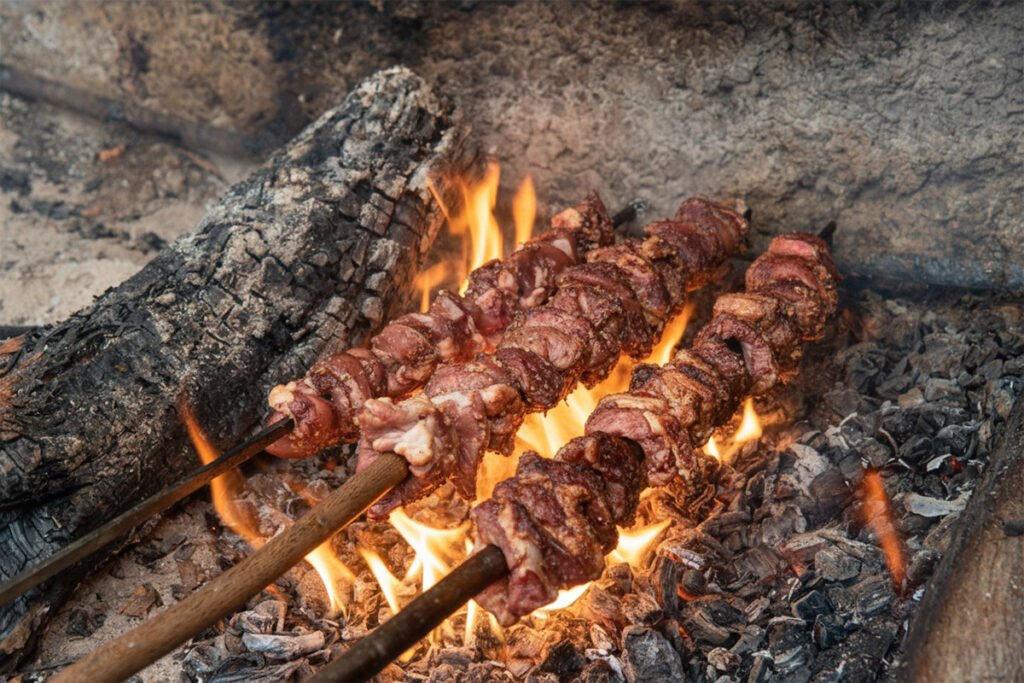
- Espetada: Tender grilled beef on laurel skewers—the aroma is unmistakable. It’s traditionally served with milho frito (fried corn cubes) and regional sides.
- Bolo do Caco: Warm, circular flatbread with garlic butter. Pro tip: Order it the moment you sit down; it’s the ultimate Madeira comfort food.
- Black Scabbardfish (Espada): The island’s most famous deep-sea fish. Try the “classic combo” served with fried banana and passion fruit sauce—it sounds daring, but it’s a local masterpiece.
- Lapas (Grilled Limpets): Served sizzling in a pan with butter, garlic, and lemon. This is arguably the best seafood starter to order by the coast.
- Tuna Steak: Fresh, local, and marinated in molho de vilão (a savory garlic and vinegar sauce). Simple, reliable, and delicious.
- Picado: A social favorite. Small bites of beef (or octopus/scabbardfish) sautéed in a garlic sauce, surrounded by a mountain of golden French fries. Perfect for sharing with a group.

Madeira Tascas, Taverns & Historic Cellars
Forget the generic bar scene; Madeira’s social life happens in the Tascas—where the Poncha is made to order—and in the centuries-old Wine Cellars of Funchal. This is where the local “convívio” (socializing) truly comes alive.
- The Madeira Wine Cellars: A visit to the historic lodges in Funchal is mandatory. More than just a drink, Madeira Wine is a world-renowned masterpiece with a unique aging process. The city is home to several prestigious Wine Houses, such as Blandy’s, Pereira d’Oliveira, and Henriques & Henriques, where you can take a guided tour to explore the diversity of their collections. From the driest Sercial to the richest and sweetest Malvasia, tasting these world-famous wines in the very cellars where they’ve aged for decades—some for over a century—is a sophisticated ritual you cannot miss. Embarking on a wine tour allows you to discover the incredible range of styles and history that have made Madeira Wine a legend on the global stage.
- Poncha Traditional Madeira Island Drink: The true Poncha culture in Madeira isn’t found in fancy lounges, but in local taverns where the rhythmic sound of the Caralinho (the wooden mixer) announces the preparation of a fresh blend of honey, lemon, and sugar cane spirit (aguardente). While the original recipe is sacred, the variety of flavors today is spectacular. We highly recommend trying the Passion Fruit (Maracujá), Tangerine, and the unique Poncha Preta (made with sugar cane molasses) served with ice; they are undoubtedly the most delicious due to their perfect balance between sweet and citrus.
If you’re looking for something different, you can venture into flavors like strawberry (which is a masterful mix of strawberry and lemon), lime, kiwi, tamarillo (tomate inglês), or pitanga. For those who prefer a stronger, more traditional kick, there are always the Pescador and Regional versions. The secret to enjoying it like a local, especially with the fruit versions, is to always ask for it with ice; this mellows the strength of the aguardente and turns it into the most incredible refreshment under the Atlantic sun. - Nikita: The ultimate island refreshment. A creamy blend of pineapple and ice cream that feels like a tropical hug. While the Traditional Pineapple is the legend, the Passion Fruit version is a game-changer.
Madeira or Azores: Which volcanic paradise is for you?
While Fanal might make you feel like you are in the middle of the Atlantic mist, you might be wondering: Should I also visit the Azores? > While Madeira is a “vertical paradise” with dramatic peaks and a sophisticated sunny coast, the Azores offer a rawer, wilder, and more spread-out experience across nine islands. If Madeira is about “dramatic heights,” the Azores are about “volcanic stillness” and thermal hot springs.
Curious about the other side of the Atlantic? Check out our What to Do in Azores Islands (2026): The Complete Guide to see which archipelago matches your soul.

Feel the Tropical Rhythm: Dancing in Madeira
Madeira’s warm, tropical soul isn’t just in its fruits and climate—it’s in its movement. If you want to embrace the island’s energy, why not learn a few steps while you’re here?
We highly recommend visiting Opendance Madeira, the island’s leading academy led by Cuban master Niurys Oliveras. Whether you want to try Salsa, Bachata, or the trendy Kizomba, it’s the perfect place to connect with locals and release some “endorphins” under the Atlantic sun.
Ready to move? Check out our full review: Dancing in Madeira: The Best Place to Learn and Enjoy Latin Rhythms.
Real Estate & Lifestyle: Why living in Madeira makes sense
Madeira isn’t just a vacation island—it’s a serious lifestyle choice. People come for the trip and start thinking: “Could I live here?”
Why Madeira is Attractive to Live In
- Climate: Mild winters, comfortable temperatures, and a lot of outdoor days per year.
- Safety + calm: Island rhythm, less stress, and strong quality-of-life feel.
- Funchal convenience: Hospitals, services, restaurants, and international comfort.
- Outdoor lifestyle: Hiking, sea views, wellness pace—people naturally live “healthier” here.
- Remote-work friendly vibe: Many expats choose Madeira for longer stays because daily life is manageable.
Why buying in Madeira Can Be a Smart Move
- High demand for quality stays: Strong short-stay appeal when the property is well-positioned and well-designed.
- Lifestyle + second-home logic: Madeira attracts people who want a base that feels “escape + real life.”
- Limited geography: Islands tend to have natural supply limits—location matters a lot.
Best Houses to Buy in Madeira 2026
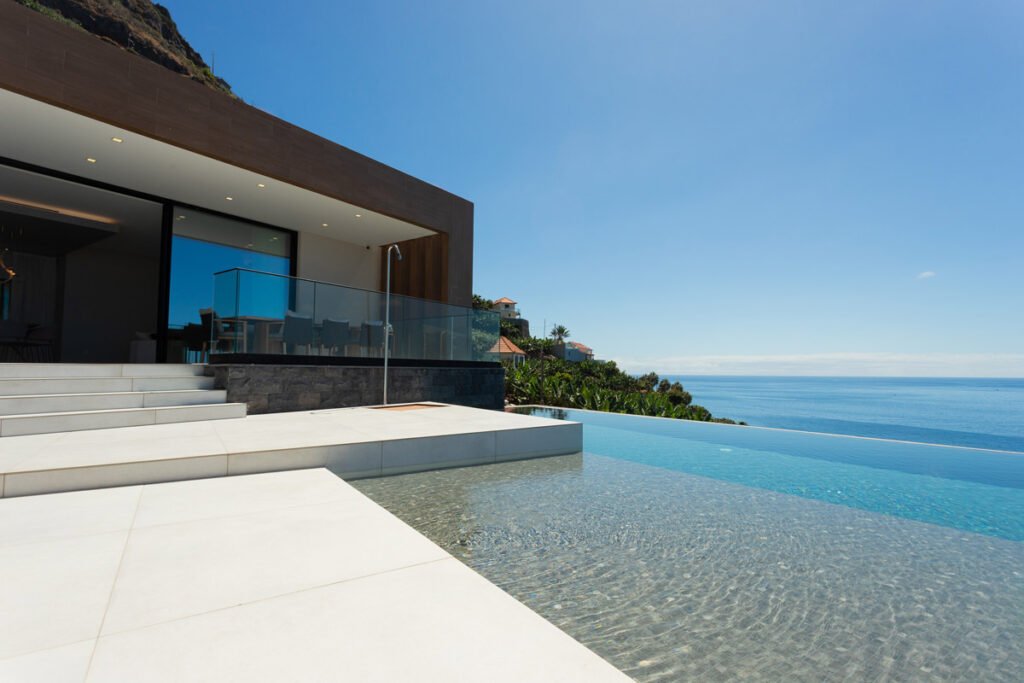
If you are looking to invest in property, relocate, or secure a high-yield holiday home, exploring the local market is the next logical step. From sea-view villas in Ponta do Sol and modern apartments in Funchal to traditional quintas surrounded by nature, the island offers exceptional real estate options.
A Simple Itinerary: What to do Madeira in 4–5 days
Day 1: Funchal & Monte (History & adrenaline)
- Explore Funchal: Walk through the Old Town (Zona Velha), visit the Mercado dos Lavradores, and take photos at the yellow Forte de São Tiago.
- The Monte Experience: Take the cable car to Monte. Visit the historic church and the tropical gardens.
- The Descent: Choose the legendary Wicker Sleds (Carros de Cesto) for a traditional downhill thrill.
- City Center: Visit the Sé Cathedral, stroll through Santa Catarina Park, and for football fans, the CR7 Museum is a must.
- Evening: Walk through the Doca do Cavacas tunnel and enjoy the sunset at Praia Formosa. If you have energy, head to Câmara de Lobos at night for an authentic Poncha and Nikita.
Day 2: Sunrise & High Peaks
- The Clouds: Wake up early for the Pico do Arieiro sunrise (above the clouds).
- The King of Trails: Hike the Pico do Arieiro to Pico Ruivo (PR1) trail. Note: This is a one-way trek; you will need to arrange a taxi/transfer for the return.
- Alternative: If you skip the hike, enjoy the sunrise and spend the morning visiting the most iconic viewpoints in the central massif.
- Lunch: Stop at a famous local restaurant or tasca on your way back down.
Day 3: Levada & forest immersion
- Choose your Classic: Hike either Levada das 25 Fontes or Caldeirão Verde. Both offer deep forest immersion and stunning waterfalls.
- Strategic Stops: Make quick stops at key viewpoints along the winding roads.
- Relax: Enjoy a slow lunch and a light afternoon to recharge. Optional sunset stop on the drive back to your base.
Day 4: Natural pools & dramatic coastlines
- The Scenic Drive: Explore the island’s most beautiful roads. Will you take the North Coast Heritage Loop, the North-West Plateau route, or the Sunny South-West? (Download our Full Guide for the exact point-by-point routes!).
- Ocean Spa: Swim in the Porto Moniz natural volcanic pools.
- Iconic Heights: Stop at Cabo Girão skywalk if you haven’t visited yet.
- Dinner: End the day with a seafood feast and ocean views.
Day 5: Wild coast or ocean experience
- Bonus Option: If you have extra time, take the ferry to Porto Santo for a full day of relaxation on 9km of golden sand.
- Final Highlight: Choose your own adventure to end the trip:
- Ponta de São Lourenço: Do the coastal walk and return by boat to see the cliffs and “Elephant Rock” from the water.
- Ocean Safari: A boat tour for dolphin and whale watching or a luxury sunset cruise.
FAQ: Madeira (2026)
Is Madeira only nature/hikes?
No—Funchal has culture, restaurants, markets, cable car experiences, and a great “city base” feel.
Are boat trips worth it?
Yes. Madeira is excellent for coastline cruises and dolphin/whale watching.
Do I need a car?
If you want full flexibility beyond Funchal, yes—Madeira is much easier with a car or curated tours.
So… What to Do Madeira 2026?
Visit the essential stops (Funchal, Câmara de Lobos, Ponta do Sol, Jardim do Mar, Porto Moniz, Seixal, Fanal), walk the levadas and trails (Arieiro-Ruivo, 25 Fontes, Caldeirão Verde, Balcões, Ponta de São Lourenço), watch dolphins in their habitat, enjoy the sunrises, and don’t leave without a proper Espetada and Poncha!
Another Natural Portugal Destination? Discover Azores & Algarve
If you are exploring the volcanic heights of Madeira, adding Portugal’s other world-famous natural regions will complete your ultimate outdoor and coastal experience.
- Explore our What to Do Azores Islands 2026 Guide to experience crater lakes, thermal hot springs, and raw Atlantic nature in another iconic natural Portugal destination.
- Check out our What to Do Algarve 2026 Guide to discover dramatic limestone cliffs, golden beaches, sea caves, and premier coastal landscapes.
Pingback: What to Do Azores Islands (2026): The Complete Guide - whattodoportugal.com
Wow! eu visitava outra vez, este site ajudo-me muito para o conhecimento da madeira, sobra as levadas, as costas, as praias e a paisagem em si. Muito Obrigado pela vossa ajuda ❤️❤️❤️❤️