
Why Lisbon District is Portugal’s most complete destination?
If you’re asking what to do in Lisbon, don’t stop at the city limits. The real magic lives in the Lisbon District—a compact region where you can combine historic neighborhoods, UNESCO palaces, Atlantic beaches, and refined coastal living in a single itinerary. In under an hour, you can move from tiled alleyways and viewpoints to misty forests, oceanfront restaurants, and some of the most desirable lifestyle areas in Southern Europe.
Lisbon District is often described as Portugal’s “golden triangle”: Lisboa + Sintra + Cascais, anchored by the Rio Tejo meeting the Atlantic. For travelers, it’s the perfect balance between culture and coast. For digital nomads, it offers infrastructure, safety, and lifestyle. And for investors, it remains one of the country’s most resilient markets thanks to international demand and long-term fundamentals.
So, what to do in Lisbon District in 2026? Start with the essentials below—and then choose your route based on your travel style (city, coast, nature, or a mix of all three).

Save money and skip the traffic!
Lisbon’s Metro is the fastest and cheapest way to explore the city. It connects the airport to the historic center through four easy-to-use lines. Plan your route on the official website: metrolisboa.pt
Quick picks: what to do in Lisbon District
- Spend 2–3 days in Lisboa for neighborhoods, viewpoints, and Belém classics.
- Reserve 1 full day for Sintra (palaces + Quinta da Regaleira + forest atmosphere).
- Do Cascais for the Portuguese Riviera vibe, beaches, and easy coastal walks.
- Add one Atlantic beach day: Praia do Guincho (wild) or Costa da Caparica (long sandy coast).
- For a modern contrast, include Parque das Nações for riverside promenades and architecture.
- For a “Lisbon moment”: Praça do Comércio facing the Rio Tejo, then a rooftop drink in Chiado.
Lisboa: what to do in the city (highlights)
Lisboa is one of Europe’s most cinematic capitals: hills, trams, viewpoints, and that warm light that turns everyday streets into postcard scenes. It’s also the best base for exploring the wider district.
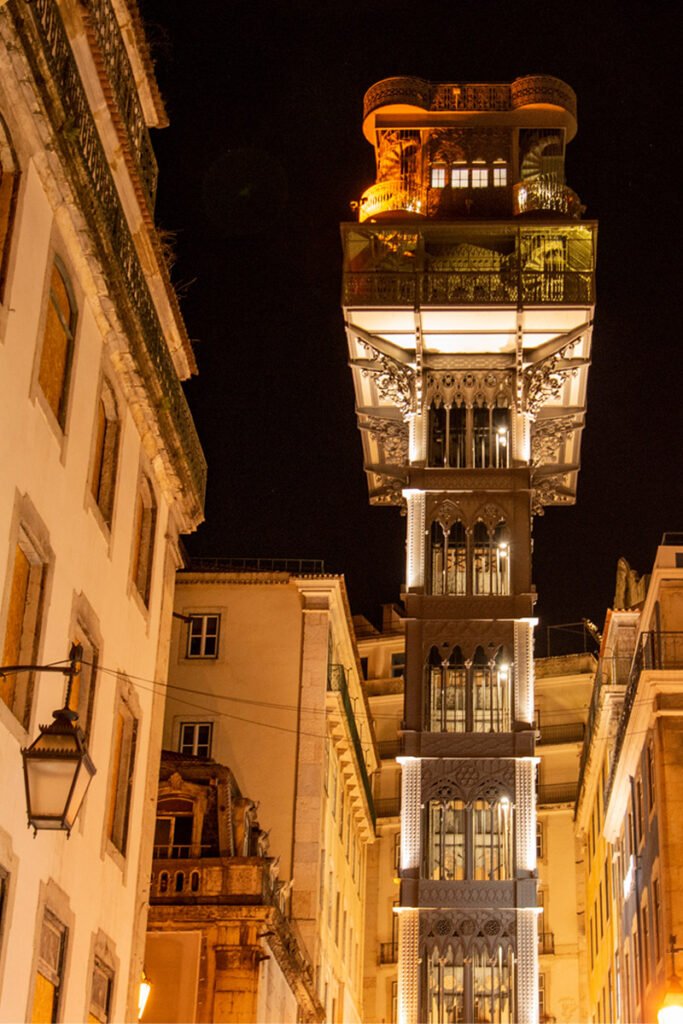
Santa Justa Lift: Lisbon’s Iron Icon
Completed in 1902, this neo-Gothic masterpiece was designed by Raoul Mesnier du Ponsard, a disciple of Gustave Eiffel. A must-see landmark where industrial history meets the best views in town.
Viewpoints, city walks & Lisbon’s signature light
- Miradouros are non-negotiable. They’re the fastest way to feel Lisbon’s personality in one frame: rooftops, river, and tiled facades.
- The Elevador de Santa Justa: Is small—but it’s a wildly unique experience with an unexpectedly beautiful panoramic view.
- Miradouro da Senhora do Monte (Graça): One of the city’s highest viewpoints, with sweeping views over Lisbon’s rooftops, the Castelo, and the rio Tejo.
- Miradouro de São Pedro de Alcântara (Bairro Alto): A classic central viewpoint with an open panorama toward Baixa and the Castelo—perfect for golden hour photos.
- Miradouro das Portas do Sol (Alfama): The iconic postcard view over Alfama, with the Tejo in the background—especially magical at sunset.
- Miradouro de Santa Luzia (Alfama): One of the most photogenic spots in Lisbon—azulejos, flowers, and a perfect framing over Alfama and the Tejo.
- Miradouro do Parque Eduardo VII: A grand, symmetrical city view aligned with Avenida da Liberdade down to the rio Tejo—impressive for its scale and perspective.
Baixa, Chiado & the iconic riverside square
Stroll through Baixa and Chiado, ride the historic trams, explore the classic streets, and finish at Praça do Comércio—the grand riverside square with the equestrian statue—where the city opens into the Rio Tejo. This is one of the most “Lisbon” moments you can have: open sky, water, and history in one place.
Belém: Lisbon’s heritage district
Belém is essential for first-time visitors:
- Mosteiro dos Jerónimos (a Manueline masterpiece)
- Riverside walks and monuments tied to Portugal’s maritime identity
- The classic “Lisbon heritage” feel without needing to rush
Alfama: Lisbon’s oldest soul
Walk slowly through Alfama’s alleys. At night, the district becomes a living soundtrack—this is where Lisbon’s emotional identity is strongest.
Parque das Nações: the modern waterfront
If your Lisbon District itinerary is longer than a couple of days, Parque das Nações adds a clean, contemporary contrast—wide promenades, modern design, and a calmer riverside pace.
WTDP Tip: Avoid Elétrico 28 at peak hours. If you want the charm without the crush, try the lesser-known Elétrico 24 for a more local feel.
Sintra: what to do in Portugal’s fairytale mountains
Sintra isn’t just a day trip — it’s Lisbon District’s most cinematic escape. In less than an hour from Lisbon, the energy changes completely: cooler air, dense forests, and a “fairytale” atmosphere that feels almost surreal. The best way to do Sintra is to treat it like a curated route, not a checklist. Choose your priorities (palaces, gardens, viewpoints, or pure nature), build in time for slow moments, and avoid the common mistake of trying to see everything in one afternoon.
WTDP Tip: Start early. Sintra rewards early mornings—less crowd, better light, more magic.
Cascais: what to do on the Portuguese Riviera
Cascais is the district’s refined coastline: a charming center, polished lifestyle, and an easy rhythm that makes people consider staying longer than planned.
Why Cascais is worth it
- Old town charm + oceanfront energy
- A lifestyle built around beaches, cafés, and walking
- A strong “quality of life” feel that attracts long stays and relocations
- Lisbon District beaches: Guincho, Caparica & the Atlantic coast
- The Lisbon District gives you multiple beach styles without committing to the Algarve.
- Praia do Guincho: wild, dramatic, and famous for wind + surf energy
- Costa da Caparica: long sandy coast, beach clubs, and easy day access from Lisbon
- Oeiras: smaller coves and a relaxed coastal feel close to the city
- If you want Lisbon + beach in one trip, this district delivers better than almost anywhere else in Europe.

The Sintra essentials
- Palácio da Pena: iconic, dramatic, and visually unforgettable
- Quinta da Regaleira: gardens, symbolism, tunnels, and pure atmosphere
- Castelo dos Mouros: rugged walls + panoramic views over the hills and coastline on clear days.
- Palácio Nacional de Sintra: right in town — a great “history + architecture” stop without extra logistics.
- Monserrate (Palácio e Parque): a quieter, more elegant garden experience (lush, romantic, less crowded).
- Cabo da Roca: the dramatic Atlantic edge — perfect for a quick “wild Portugal” stop.
- Praia da Ursa (or Praia Grande): Sintra’s coastal side — cliffs, surf energy, and beaches that feel raw and cinematic.
Portuguese Gastronomy and Cocktail Culture
Lisbon District is not just beautiful—it’s social, safe, and genuinely fun.
What to eat (the local way)
The region’s culinary identity is tied to the Atlantic:
- Fresh seafood culture near the coast
- Pastries rooted in Lisbon’s monastery history
- Modern dining with international influence (especially in Lisbon)
Rooftops, bars & coastal evenings
Choose your vibe:
- Rooftops in Chiado with city views
- Beach evenings in Caparica with sand under your feet
- Relaxed dinners in Cascais with sea air and a slower rhythm
Special plates
WTDP Tip: Skip the restaurants with aggressive “tourist menus” right by the main squares—walk 5–10 minutes into the side streets, choose a place with a shorter menu in Portuguese, and you’ll almost always get better food and better value.

Inside the Icon: What’s in a Pastel de Nata?
The secret lies in the contrast between a buttery, multi-layered puff pastry and a rich custard made from fresh milk, sugar, and plenty of egg yolks. This cream is traditionally infused with lemon peel and cinnamon to create its signature aroma. Everything is baked at a very high temperature until the pastry becomes incredibly crispy and the top caramelizes into those iconic dark spots. It is a masterpiece of texture, best enjoyed warm and finished with a generous dusting of cinnamon.
- Bacalhau à Brás
Shredded cod with onions, thin fries, eggs, and olives. Comfort food, but truly iconic when done well. - Sardinhas Assadas
Grilled sardines (especially in season) served with bread, salad, and that unmistakable smoky flavor. A Lisbon summer ritual. - Bifana
A thin pork sandwich in a garlicky sauce—fast, local, and perfect when you want something quick without losing authenticity. - Amêijoas à Bulhão Pato
Clams cooked with garlic, olive oil, white wine, coriander, and lemon. Light, salty, and very “Lisbon by the sea.” - Arroz Malandrinho
A rich, slightly “soupy” Portuguese rice dish cooked with a flavorful broth—often served with seafood or seafood rice—comforting, hearty, and perfect when you want something truly local beyond the tourist classics. - Pastel de Nata
Portugal’s most famous pastry—crispy, creamy, and best enjoyed warm with cinnamon. (For the classic experience, pair it with an espresso.)
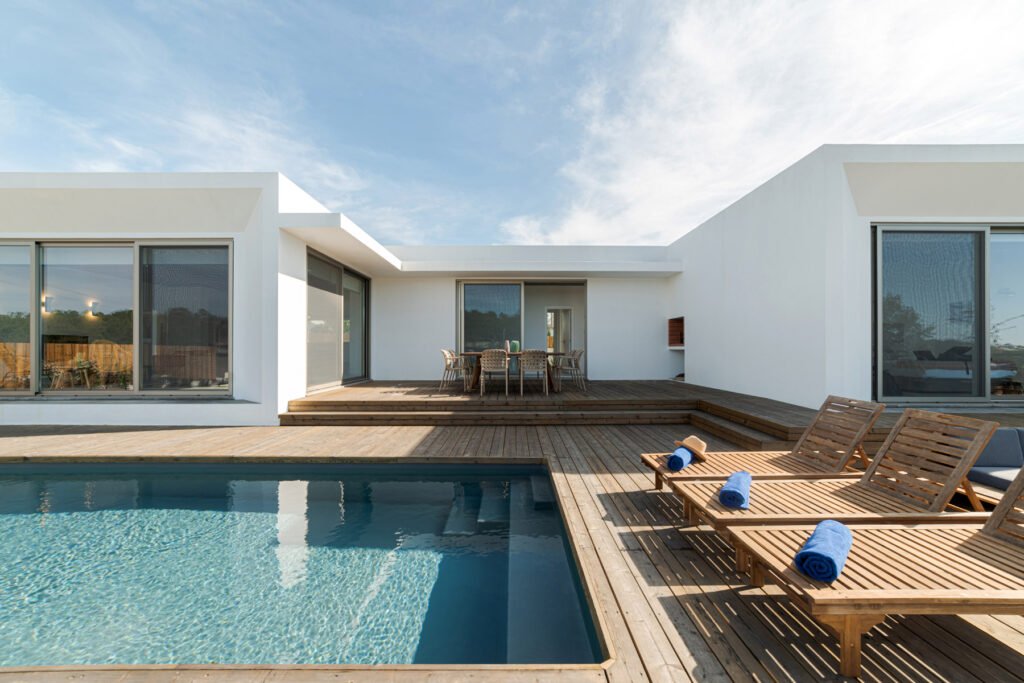
Real estate & investment: why Lisbon District stays in demand
Lisbon District isn’t only a destination—it’s a global magnet for lifestyle-driven investment. The fundamentals are strong: safety, climate, infrastructure, international demand, and a growing ecosystem of businesses that keep the region relevant year after year.
Strategic growth & long-term demand
Lisbon has become a European hub for entrepreneurs and global companies, which sustains long-term demand for high-quality residential and commercial spaces.
2026 context (educational, not salesy)
Portugal’s framework evolves, but Lisbon District remains one of the most stable reference points for international buyers and long-term planners—especially those looking for a strategic European base.
WTDP note: This section is intentionally educational. WTDP prioritizes trust before transactions.
A simple itinerary: what to do in Lisbon District in 4–5 days
Day 1–2: Lisboa
- Baixa + Chiado + Praça do Comércio (Rio Tejo)
- Belém (Mosteiro dos Jerónimos)
- Miradouros + Alfama
- Optional: Parque das Nações
Day 3: Sintra
- Palácio da Pena + Quinta da Regaleira
- Forest atmosphere + viewpoints
Day 4: Cascais
- Old town + coastal walk + beach time
Day 5 (optional): Atlantic beach day
- Praia do Guincho (wild) or Costa da Caparica (easy)
FAQ: Lisbon District (2026)
Is Sintra a day trip from Lisbon?
Yes—Sintra is one of the best day trips in Portugal and fits naturally into any Lisbon District itinerary.
Is Cascais worth it?
If you want beach lifestyle, coastal dining, or a “Portuguese Riviera” day, Cascais is absolutely worth it.
Do I need a car in Lisbon District?
In Lisbon city, no. For Sintra/Cascais, public transport works—but a car adds flexibility for beaches and viewpoints.
So… what to do in Lisbon District?
If you want the most complete Portugal experience in one region—history, palaces, coast, and lifestyle—Lisbon District is the strongest starting point. It’s where Portugal’s classic beauty meets modern comfort, and where a trip can shift naturally into a longer stay.
Next step with WTDP: explore our Lisbon District sub-guides (Lisboa, Sintra, Cascais) or contact us if you’re planning a longer stay, relocation, or investment research.