From Romanesque Cathedrals to Neo-Gothic Sanctuaries: Discover the most impressive Temples of Portugal for WTDP
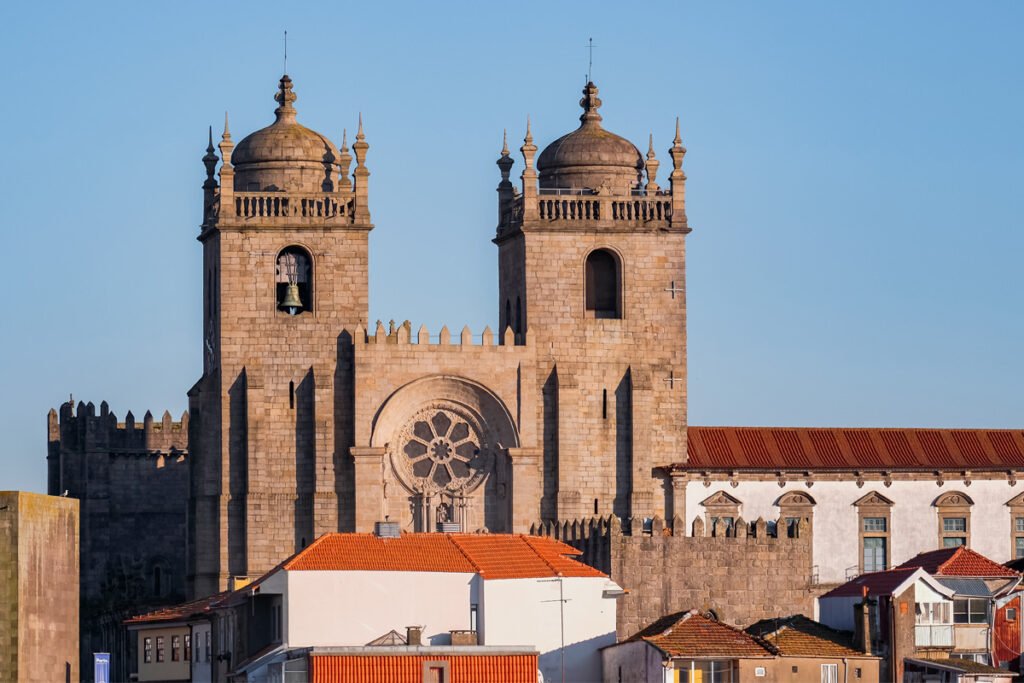
Portugal is a living sanctuary of faith, where every stone tells a story of centuries-old devotion. As we observe Good Friday, the heart of the country beats within its majestic Cathedrals (Sés) of Lisbon and Porto—Romanesque fortresses that have stood as eternal guardians of the nation’s soul since the Middle Ages. These iconic cathedrals are the essential pillars of any spiritual journey through the mainland.
However, the architectural richness of Portugal goes even deeper. For Holy Week 2026, we have curated a selection of seven additional temples that represent the absolute pinnacle of sacred architecture. From Gothic ruins reaching for the Lisbon sky to volcanic chapels hidden in the Azores, these are the sacred spaces you must discover for a truly divine experience.
7 Sacred Architectural Wonders – Portugal
1. Mosteiro dos Jerónimos (Lisbon)
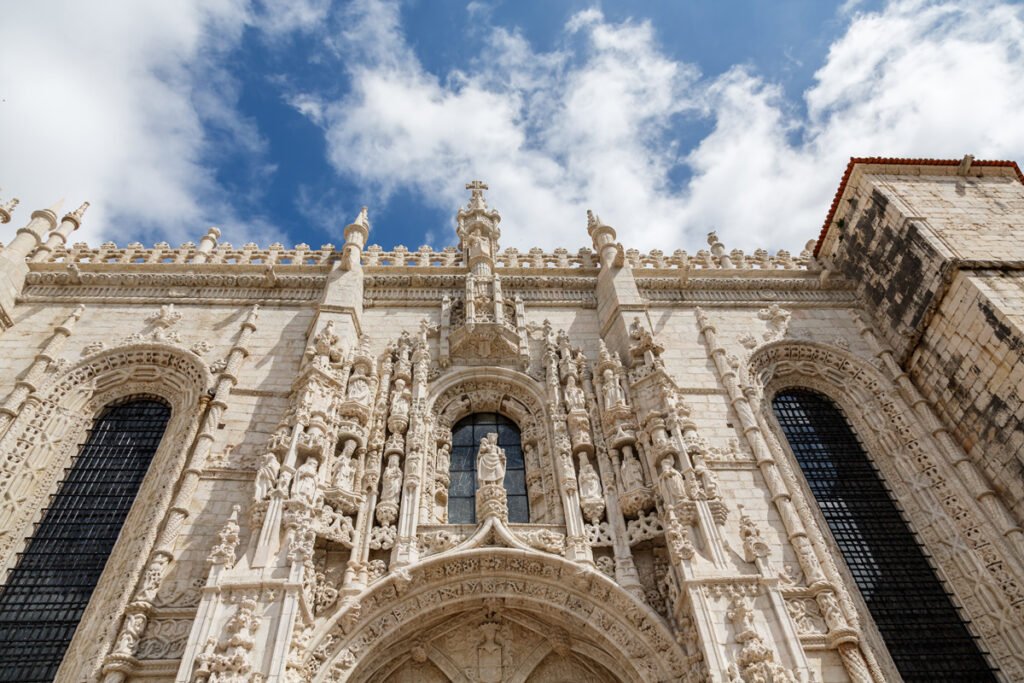
The Mosteiro dos Jerónimos is an architectural titan—a Monastery and Church complex that stands as the ultimate monument to Portugal’s Age of Discovery. Commissioned by King Manuel I in 1501, it was built on the site where Vasco da Gama spent his last night in prayer before sailing for India. Funded by the “Pepper Tax” on Eastern spices, the Hieronymite monks lived here for four centuries, praying for the King’s soul and the safety of the nation’s navigators.
- Architectural Grandeur: The Manueline style (Portuguese Late Gothic) reaches its peak here. The interior church (Igreja de Santa Maria) features massive columns that branch out like palm trees into a breathtaking vaulted ceiling that survived the 1755 earthquake. Look for the “South Portal,” a 32-meter-high masterpiece by João de Castilho.
- Essential Facts: It is a UNESCO World Heritage site and houses the tombs of Vasco da Gama, the poet Luís de Camões, and several Portuguese kings.
- Access & Logistics: Located in Belém. Take Tram 15E or the train from Cais do Sodré.
- Opening Hours (2026): Tue–Sun, 10:00 – 18:30 (Last entry 18:00). Closed on Easter Sunday.
- Entrance Fee: €12.00 (Church is free; Monastery requires a ticket).
2. Capelinha de Nossa Senhora de Fátima (São Vicente, Madeira)
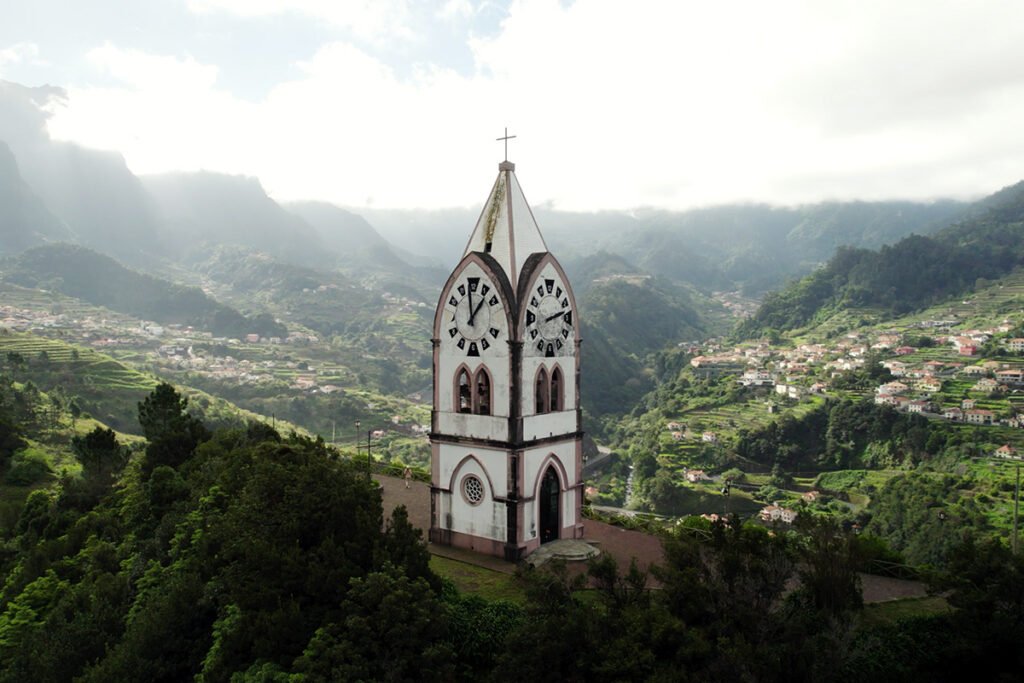
Perched on a dramatic volcanic outcrop in the São Vicente valley, this small Chapel, known locally as the “Capelinha,” was built in 1948 as a testament to local faith. Its origin is deeply moving: the community made a collective vow to build this sanctuary if their soldiers returned home safely from World War II. When they did, the town fulfilled its promise by creating this replica of the Chapel of the Apparitions in Fátima.
- Architectural Grandeur: A lesson in Modern Vernacular Simplicity. The chapel is small and unassuming, allowing the majestic Madeira mountains to serve as its “cathedral.” Its detached bell tower is a landmark that can be seen from miles away, guiding the faithful through the valley’s mist.
- Relevant Facts: The view offers a 360-degree panorama of the rugged coast. It is a place of absolute silence and “Slow Travel” contemplation.
- Access & Logistics: Via the VE4 road. Park at the base of the “Lombo da Nossa Senhora” and walk up a steep, paved zigzag path for 10 minutes.
- Opening Hours: Outdoor access 24/7. Interior usually open 09:00 – 18:00.
- Entrance Fee: Free.
3. Igreja e Torre dos Clérigos (Porto)
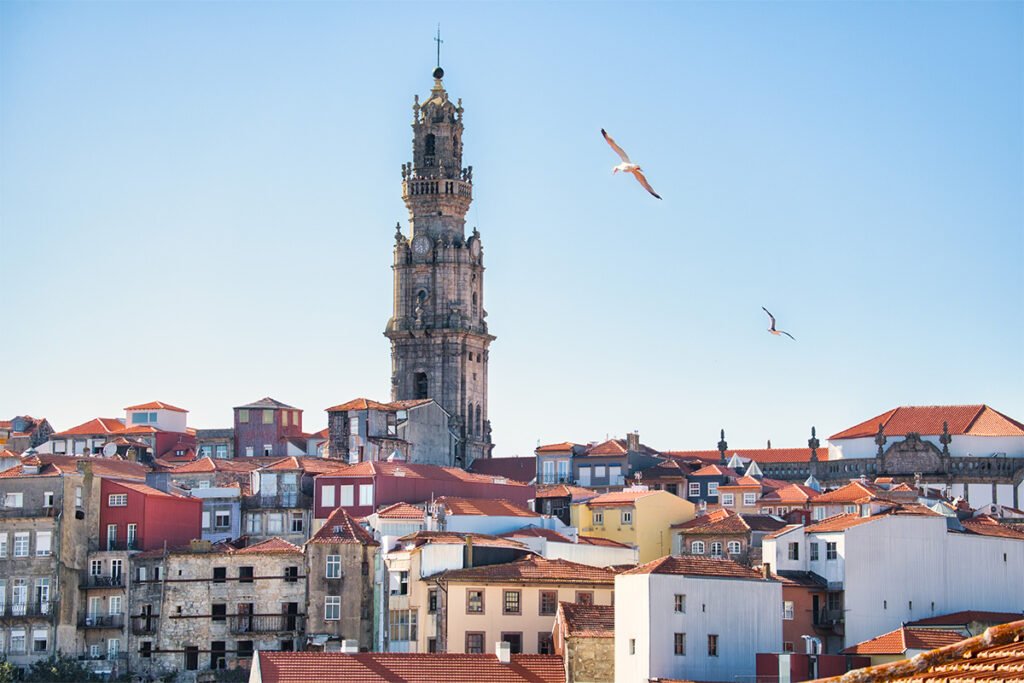
Dominating the skyline of Porto, the Igreja dos Clérigos is a monumental Church and Landmark Tower complex designed by the Italian master Nicolau Nasoni. Completed in 1763 for the “Brotherhood of the Poor Clerics,” it was the tallest building in Portugal for decades. Nasoni was so dedicated to this project that he requested to be buried in the church’s crypt in an unmarked grave.
- Architectural Grandeur: A triumph of the Baroque and Rococo. The church is architecturally unique for its daring elliptical floor plan, while the granite tower stands 75 meters tall with intricate marble work inside.
- Relevant Facts: Climbing the 225 steps to the top is a must. During Holy Week, the church often hosts “Spiritus,” an immersive light and sound show that highlights the Baroque architecture.
- Access & Logistics: In the heart of Porto, 5 minutes from São Bento Station.
- Opening Hours: Daily, 09:00 – 19:00. Night visits until 23:00.
- Entrance Fee: Church is free; Tower + Museum: €8.00.
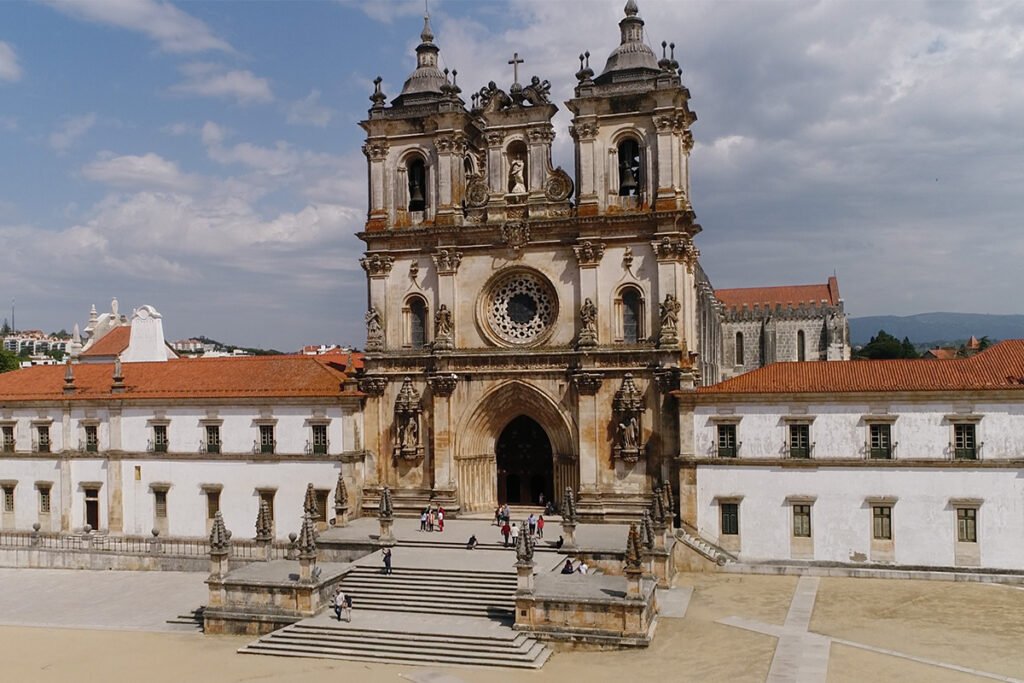
4. Mosteiro e Igreja de Santa Maria de Alcobaça (Alcobaça)
The Mosteiro de Alcobaça is a staggering Monastery and Church complex and the first entirely Gothic building in Portugal. Founded in 1153 by D. Afonso Henriques, the first king, to honor a vow made during the conquest of Santarém, it was granted to the Cistercian monks. These monks transformed the surrounding region into an agricultural powerhouse, making the monastery one of the wealthiest in Europe.
- Architectural Grandeur: It follows the Cistercian Gothic philosophy of “Simplicity and Light.” The nave is massive (over 100 meters long) but completely devoid of statues or paintings, focusing the mind on the verticality and the divine. The 18th-century “Kitchen” is legendary, featuring a 28-meter high chimney covered in tiles.
- Relevant Facts: It houses the Royal Tombs of Pedro and Inês de Castro, whose tragic love story is Portugal’s “Romeo and Juliet.” Their tombs are masterpieces of Gothic sculpture.
- Access & Logistics: 1.5 hours from Lisbon by car (A8).
- Opening Hours: Daily, 09:00 – 18:00 (Last entry 17:30). Closed on Easter Sunday.
- Entrance Fee: €10.00.
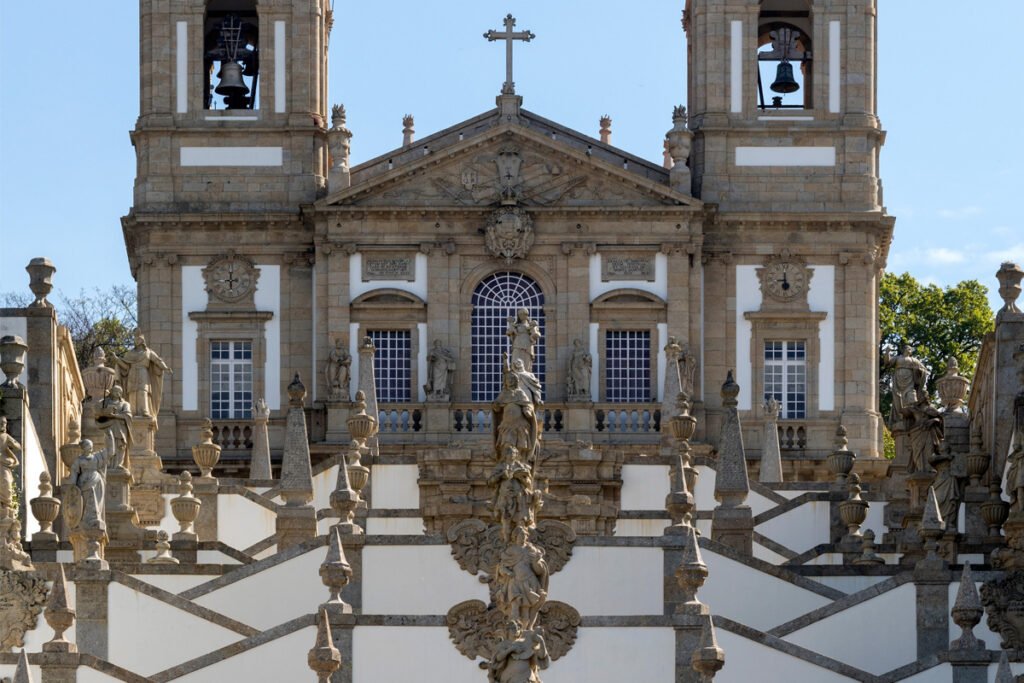
5. Santuário e Basílica do Bom Jesus do Monte (Braga)
The Santuário do Bom Jesus is a “Sacro Monte” (Sacred Mountain) that serves as a physical representation of the New Jerusalem. Designated a UNESCO World Heritage site in 2019, it has been a pilgrimage site since the 14th century, though its monumental Baroque stairway was completed in the 18th and 19th centuries.
- Architectural Grandeur: A hybrid of Baroque and Neoclassical. The “Stairway of the Five Senses” is an architectural allegory: as you climb, you pass fountains for sight, hearing, smell, taste, and touch, purging the earthly senses before reaching the Basilica.
- Relevant Facts: The funicular (Elevador) is the oldest in the world powered by water counterweights—a masterpiece of sustainable engineering from 1882. As the heart of Semana Santa, Braga hosts massive, solemn processions here on Good Friday.
- Access & Logistics: Take Bus Line 2 from Braga city center. You can walk the stairs or take the funicular.
- Opening Hours: Basilica daily 08:00 – 19:00.
- Entrance Fee: Basilica is free; Funicular: €2.50 (one way).
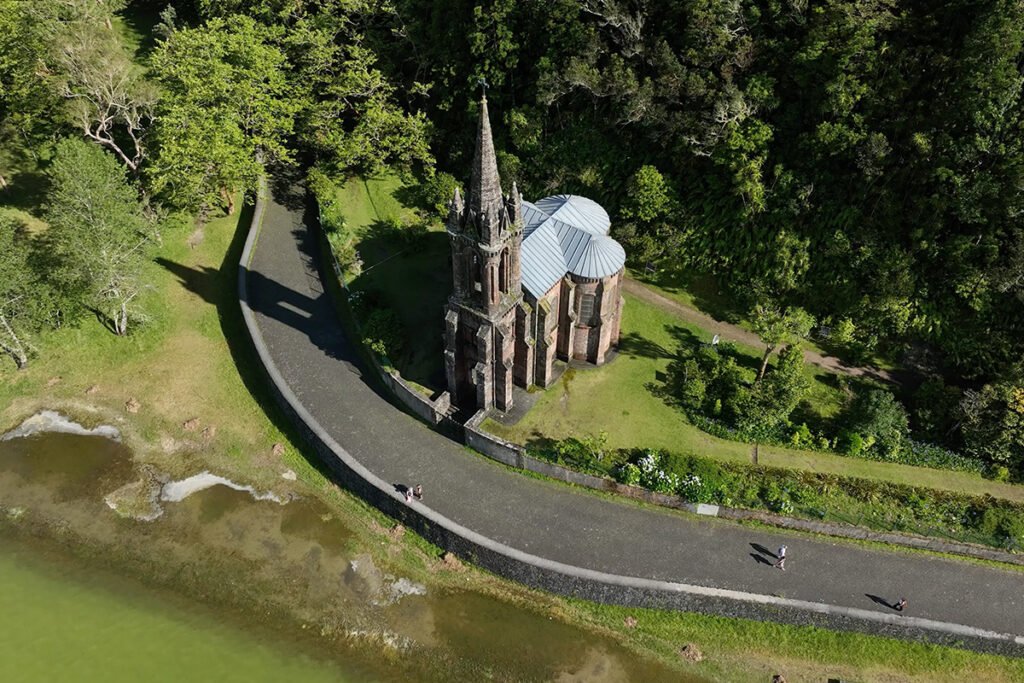
6. Ermida de Nossa Senhora das Vitórias (Furnas, Azores)
Hidden on the shores of the Furnas Lake in São Miguel, this Hermitage and Chapel is a Neo-Gothic jewel built by the botanist José do Canto. He commissioned it in the 19th century as a private funerary chapel for his wife, Maria Guilhermina. It stands as a monument to eternal love and is the only building of its kind in the Atlantic.
- Architectural Grandeur: Pure Neo-Gothic. Unlike the basalt-heavy churches of the Azores, this hermitage features fine stonework and stained-glass windows imported from France that depict the life of the Virgin Mary. It sits on the edge of the Lagoa das Furnas, surrounded by a botanical garden.
- Relevant Facts: It is located within the “Mata-Jardim José do Canto,” a private park with trees from all over the world.
- Access & Logistics: Southern shore of Furnas Lake, São Miguel Island. Access is through the park entrance.
- Opening Hours: Daily, 10:00 – 18:00.
- Entrance Fee: €10.00 (Includes the botanical garden).
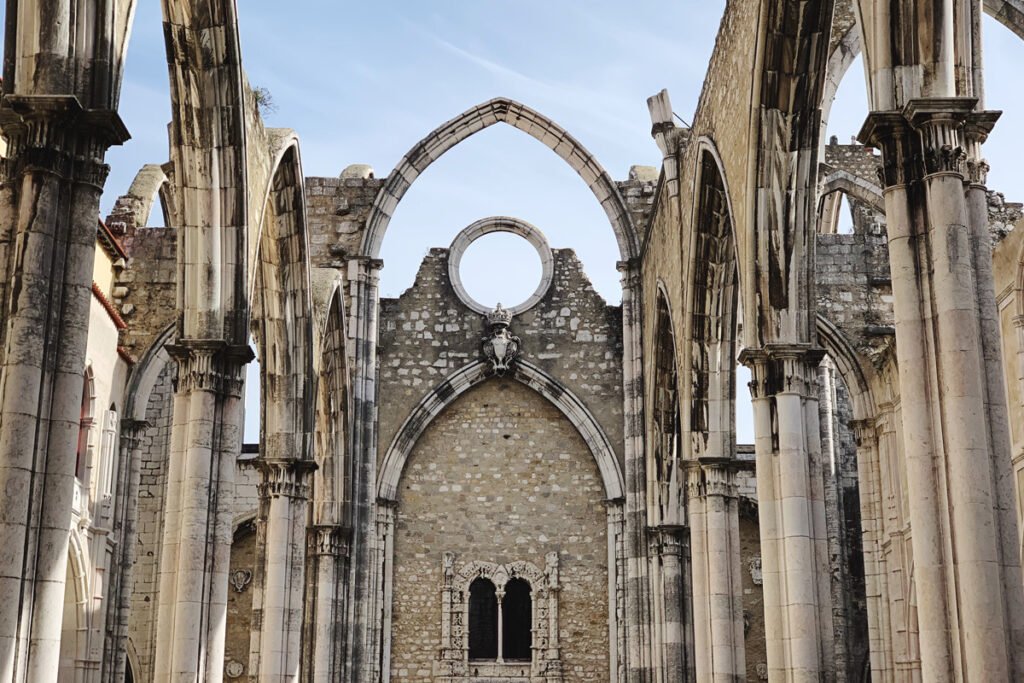
7. Igreja e Convento do Carmo (Lisbon)
The Igreja do Carmo is a hauntingly beautiful Church ruin and former Convent complex. Founded in 1389, it was once the most prestigious Gothic church in Lisbon. On the morning of November 1, 1755, a massive earthquake struck during All Saints’ Day mass. The roof collapsed, and the subsequent fire destroyed its vast library.
- Architectural Grandeur: A Gothic Skeleton. The arches that remain standing against the open sky are a haunting example of Gothic skeletal structure. The lack of a roof allows the sunlight to create a mystical atmosphere that no covered church can replicate.
- Relevant Facts: It houses the Carmo Archaeological Museum, featuring medieval tombs, Roman artifacts, and even South American mummies.
- Access & Logistics: Next to the Santa Justa Lift in Chiado.
- Opening Hours: Mon–Sat, 10:00 – 19:00. Closed on Sundays.
- Entrance Fee: €7.00.
WTDP Tips: Portugal’s temples are living monuments. During Holy Week, expect these sites to be active with religious services. We recommend visiting in the early morning for photography and in the evening to experience the solemnity of the processions. If you are exploring Lisbon, remember that the Lisboa Card offers excellent value for Jerónimos and Carmo.
Hermoso! He visitado unos cuantos templos y son maravillosos!!!!